Blog

  • Seoul Shopping Guide: Top 3 Department Stores & Foreigner Perks

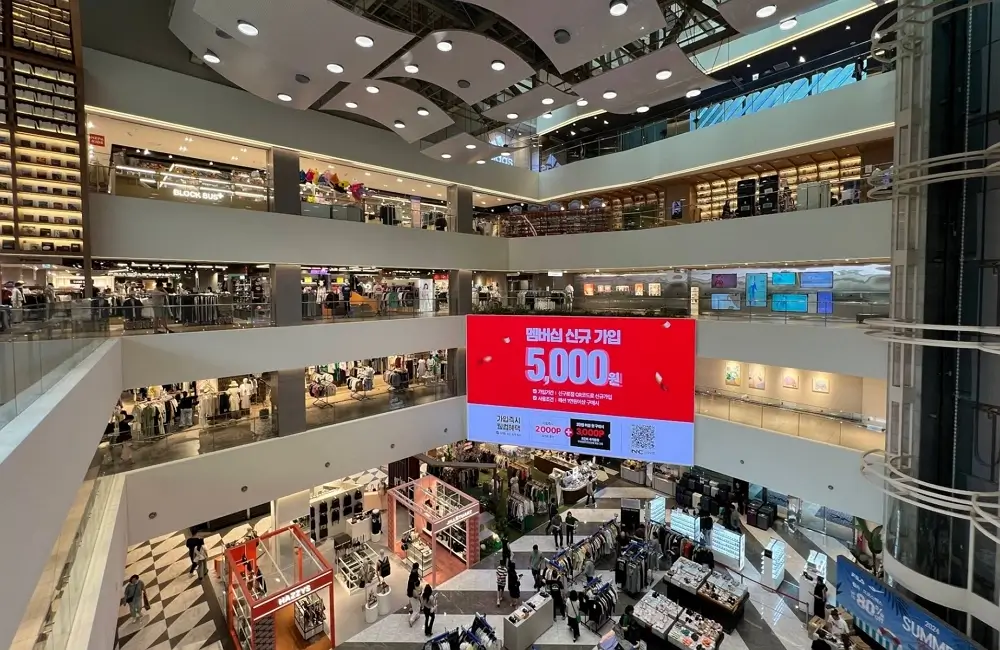
    Modern multi-story interior of NC Department Store in Seoul, South Korea featuring shopping brands and a massive digital signage screen.

    How is your South Korea adventure going so far? If you’ve been following my previous survival guides, you should already have your essential Korean transit apps ready and your route from Seoul to Busan fully mapped out. Now that all the boring logistics are completely out of the way, let’s dive into something way more exciting: Conquering Seoul’s world-class department stores.

    Seoul’s department stores aren’t just massive buildings where people sell things; they are jaw-dropping travel destinations in themselves. We are talking about unique futuristic architecture, world-class basement food halls, and exclusive foreigner-only perks that you won’t find anywhere else.

    However, if you just wander into the nearest mall without a game plan, you are bound to miss out on instant tax refunds, foreigner-exclusive 5% to 10% discount coupons, and specialized tourist cards—effectively making your wallet bleed unnecessarily. As your trusted local friend, I’ve put together a ruthless, ultra-practical guide to Seoul’s “Big 3” mega department stores. I’ll show you exactly how to fit them into your sightseeing route, claim your exclusive tourist benefits, and pick the perfect hotel location so you don’t ruin your trip carrying heavy shopping bags. Let’s get to it!

    1. The Trendiest Hotspot: The Hyundai Seoul (Yeouido)

    If you want to see where all the cool, fashion-forward young locals hang out, head straight to The Hyundai Seoul in Yeouido. This place looks less like a stuffy shopping mall and more like a massive, futuristic indoor botanical garden. It features a stunning 12-meter artificial waterfall and a massive floating greenhouse right in the center that will absolutely beautiful your social media feed.
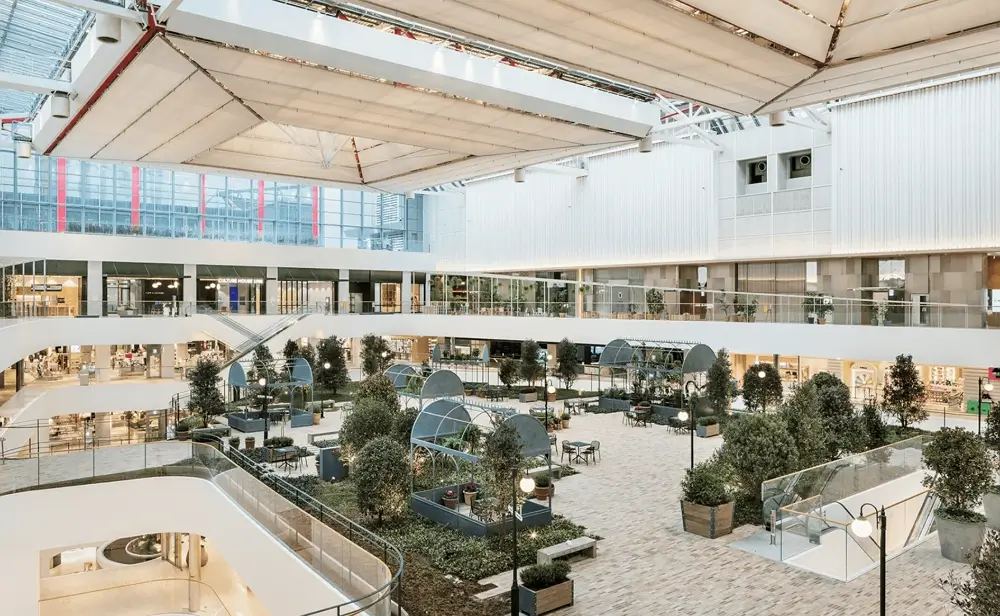
    Futuristic indoor botanical garden aesthetic inside The Hyundai Seoul department store featuring massive glass ceilings and green trees.
    • What Makes It Special: This is the absolute mecca for trendy local Korean designer brands, unique streetwear, and exclusive K-pop pop-up stores. You won’t just find the usual global luxury brands here; you’ll find the exact outfits you see on your favorite K-drama stars and TikTok feeds.
    • Foreigner-Only Privilege: Head straight up to the Global Lounge on the 3rd floor. By signing up for their free H.Point Global membership, international tourists can instantly unlock exclusive promotion vouchers and tailored shopping discounts.
    • The Route Advantage: It is directly connected to Yeouido Station (Lines 5 and 9) via a seamless underground tunnel. It fits perfectly into your itinerary on the day you plan to visit the Han River Park for a beautiful afternoon picnic (and try the famous river-side instant ramyun!).
    • 🗣️ Jay’s Accommodation Hack: Yeouido is primarily a financial district, meaning hotels here are incredibly modern, spacious, and surprisingly quiet over the weekend. If your main goal is to conquer The Hyundai Seoul and enjoy long, breezy evening walks along the Han River without the massive tourist crowds, booking a premium hotel right in the Yeouido area is an incredibly smart choice. It saves you from riding a packed subway with armfuls of shopping bags!

    2. The Classic Luxury Heritage: Shinsegae Department Store (Myeongdong Main)

    For those who love a mix of historic architecture, high-end luxury, and premium K-beauty, Shinsegae Department Store’s Main Branch in Myeongdong is an absolute must-visit. The beautiful neo-classical architecture of the main building makes it a landmark in itself. If you happen to visit during the winter holidays, its massive outdoor media facade light show goes viral globally on social media every single year.
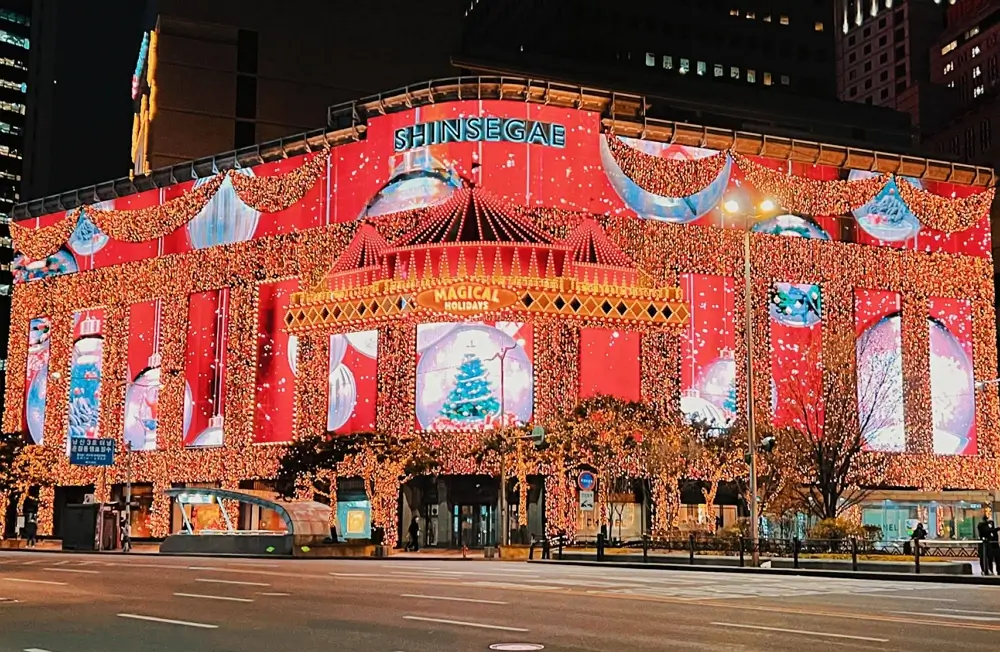
    Famous festive Christmas media facade light show on the exterior of Shinsegae Department Store Main Branch in Seoul.
    • What Makes It Special: It offers one of the most comprehensive luxury shopping experiences in the city, alongside an incredible, massive duty-free shopping sector on the upper floors. If you are hunting for premium, heritage Korean skincare brands like Sulwhasoo or History of Whoo, this is your absolute holy grail.
    • Foreigner-Only Privilege: Before you start spending, visit the Customer Service Desk. Foreign passport holders can get access to special Duty-Free Benefit Vouchers, which can upgrade you to a Gold Membership tier (offering up to 15% off at the duty-free shop) and even provide small food and beverage vouchers for the basement floor.
    • The Route Advantage: Located right next to Hoehyeon Station (Line 4), it’s just a short walk from the main Myeongdong Shopping Street and the historic Namdaemun Market. You can smoothly transition from traditional street food hunting to premium luxury shopping in less than five minutes.
    • Jay’s Accommodation Hack: Because this mall sits right on the edge of Myeongdong, staying in a hotel near Hoehyeon Station or the Namdaemun area gives you the best of both worlds. It is significantly less crowded and quieter than the chaotic core of Myeongdong, yet it keeps you within a 5-minute flat walk to Shinsegae so you can drop off your high-end cosmetics and shopping hauls effortlessly.

    3. The All-in-One Shopping Kingdom: Lotte Department Store (Myeongdong Main)

    Right around the corner from Shinsegae sits the massive Lotte Department Store Main Branch. This is arguably the most famous and accessible department store complex for international travelers, operating like a giant, interconnected shopping kingdom right at the gate of Seoul’s busiest district.
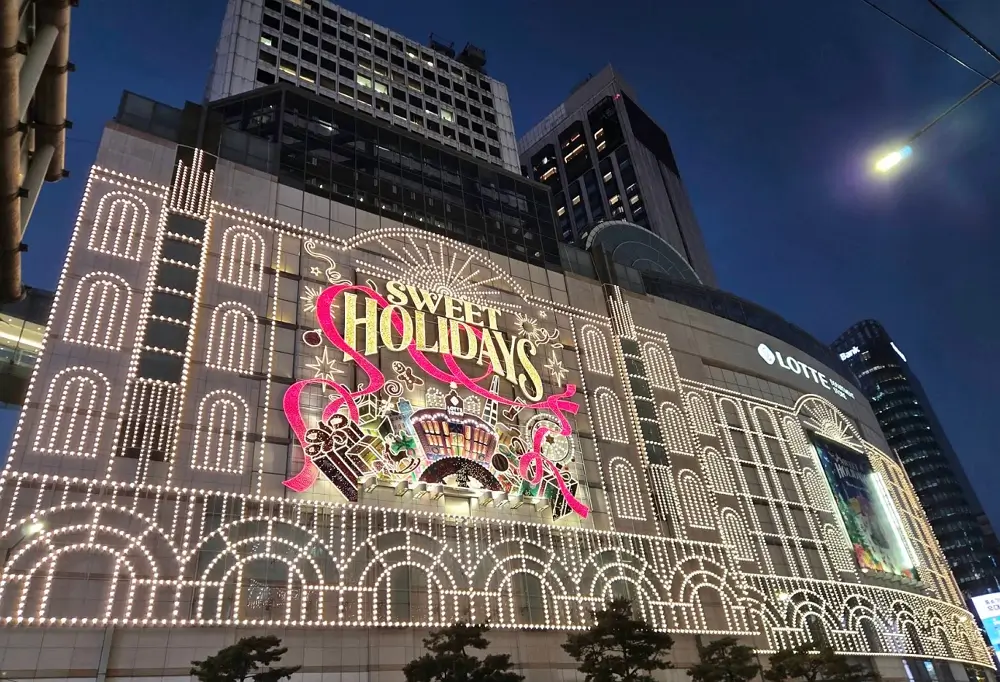
    Stunning night view of Lotte Department Store Main Branch in Myeongdong, Seoul, illuminated with vibrant holiday light displays.
    • What Makes It Special: It is physically connected to a massive duty-free mall, a young fashion plaza, and luxury hotels. What truly separates Lotte from the rest, though, is its legendary Basement Food Court ($B1$). It is an absolute culinary heaven packed with premium local bakeries, traditional Korean stews, and trendy street food stalls at incredibly fair, fixed prices. It is completely foolproof for a quick, high-quality lunch.
    • Foreigner-Only Privilege: Lotte offers a game-changing hack exclusively for foreign tourists: the Free Lotte Tourist Membership Card. You can claim this at the 1F Tax Refund Lounge by presenting your passport. Not only does it grant you 3 coupons for 5% off at the department store, but the card itself doubles as a fully functional T-money transport card that you can top up and use on subways and buses!
    • The Route Advantage: Directly linked to Euljiro 1-ga Station (Line 2), it puts you right on Seoul’s most important subway line. This makes it an incredibly convenient base camp to swing by and drop off your heavy souvenirs after exploring northern historic hubs like Gyeongbokgung Palace, Insadong, or Ikseon-dong Hanok Village.
    • Jay’s Accommodation Hack: If you want an “all-in-one” convenient vacation where you can walk out of your lobby and instantly access food, shopping, and subways, you should focus your hotel search entirely on the Euljiro 1-ga or Central Myeongdong area. Staying here means you can shop until closing time, grab a late-night beer, and walk right back to your room on flat ground without worrying about hailing a taxi.

    Seoul’s Big 3 Department Stores At a Glance

    To save your precious planning time, here is a 3-column, mobile-optimized breakdown to help you choose the perfect spot for your massive haul:

    Store Name (Option)Best Suited For (Details)Jay’s Honest Verdict
    🌿 The Hyundai SeoulTrendy Korean designer fashion, local streetwear, indie lifestyle brands, and stunning indoor garden architecture.Must-visit for the vibes. Perfect for younger crowds looking for unique local styles. Pairs beautifully with a Han River picnic day.
    🏛️ Shinsegae MainHigh-end global luxury, heritage designer brands, and a peaceful premium K-beauty duty-free experience.Best for serious beauty hunters. Incredible service, less chaotic than main tourist streets, and great for a sophisticated afternoon.
    👑 Lotte MainAll-in-one duty-free shopping, premium basement food court exploration, and ultimate souvenir grabbing.The ultimate tourist time-saver. Unbeatable central location, incredibly easy to navigate, and the basement food court is foolproof for lunch.
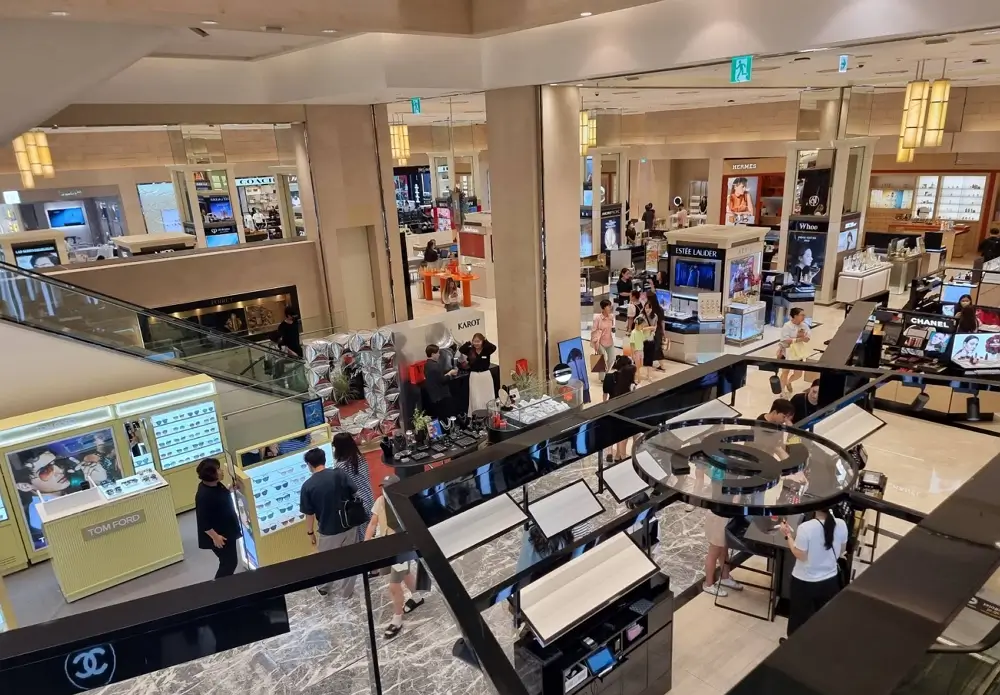
    High-end luxury K-beauty and international cosmetic counters at the ground floor of Shinsegae Department Store in Seoul.

    Jay’s Insider Tip: Passports Save Lives (and Cash!)

    Do yourself a massive favor and always carry your physical passport when visiting these department stores!

    Immediate Tax Refunds: South Korea features an amazing “Immediate Tax Refund” system. For purchases between 15,000 KRW and 1,000,000 KRW per receipt, you can have the VAT deducted instantly right at the cash register by showing your passport.

    Avoid Airport Queues: Instead of waiting in a massive, exhausting queue at Incheon Airport on your departure day, get your money back immediately or use the automated kiosks inside the mall! It saves you hours of airport hassle.

    Final Reminders for Smart Travelers from Your Local Friend

    Seoul’s department stores are vastly larger than you probably expect, so make sure to set aside plenty of time to truly explore them. Trust me, you’ll want to wear your absolute comfiest walking shoes because tracking $10,000+$ steps inside these massive complexes is incredibly common.

    As I pointed out above, if you want to avoid the absolute living hell of lugging heavy, premium shopping bags up and down complicated subway transfer stairs or steep hills, choosing a hotel location that aligns perfectly with your shopping itinerary is critical. Take a few moments to browse highly-rated, station-adjacent hotels on trusted platforms like Agoda or Booking.com before you fly out—it’s an incredibly rational move that will save your stamina and your knees.

    Leave plenty of extra room in your suitcase, pack your passport, and go immerse yourself in Seoul’s spectacular retail culture. I’ll be back in the next guide with even more authentic local secrets to help you navigate Korea like a pro. Happy shopping, and have a safe, wonderful trip!
  • How to Travel from Seoul to Busan: KTX, Flight, and Bus Compared (2026 Guide)

    How to Travel from Seoul to Busan: KTX, Flight, and Bus Compared (2026 Guide)

    How are you doing so far on your South Korean adventure? I bet most of you traveling to Korea are currently cozying up in Seoul, enjoying the comforts, trendy shopping spots, and the vibrant energy of this massive city. But let’s be honest—it would be a total shame to fly all the way to Korea and only see Seoul!

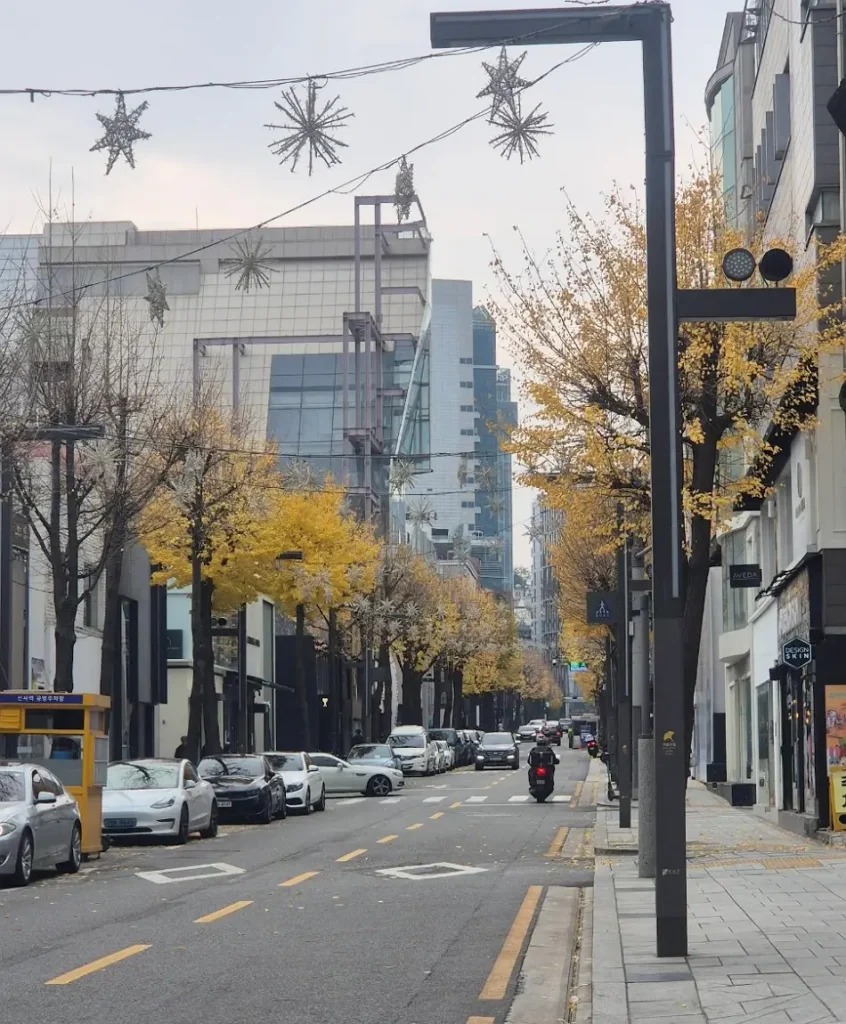
    Garosu-gil street in Seoul during autumn with yellow ginkgo trees and parked cars

    If you talk to any traveler planning a trip here, the second city on their absolute bucket list is almost always Busan—a vibrant coastal paradise famous for its stunning beaches, neon nightscapes, and jaw-droppingly fresh seafood.

    However, the moment you open a navigation app to figure out how to get from Seoul to Busan, your head might start to spin. “Should I take the train? Is a domestic flight faster? Or is the express bus the smartest way to save some cash?”

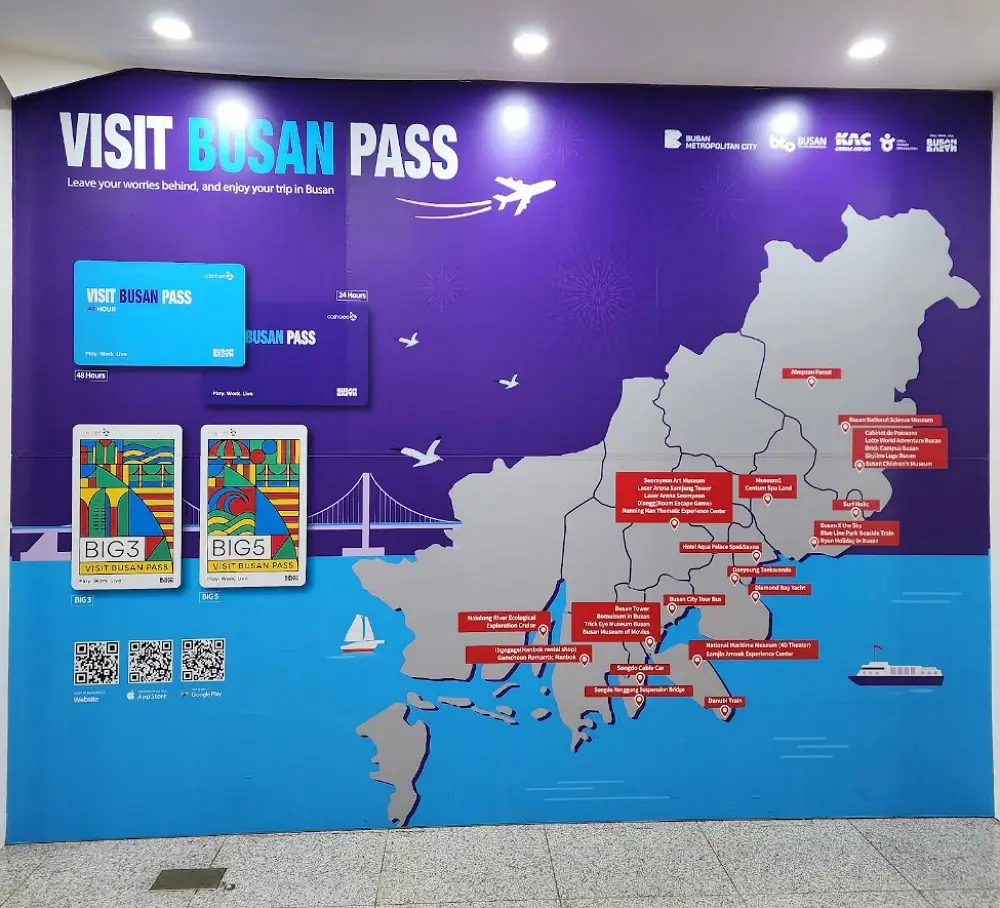
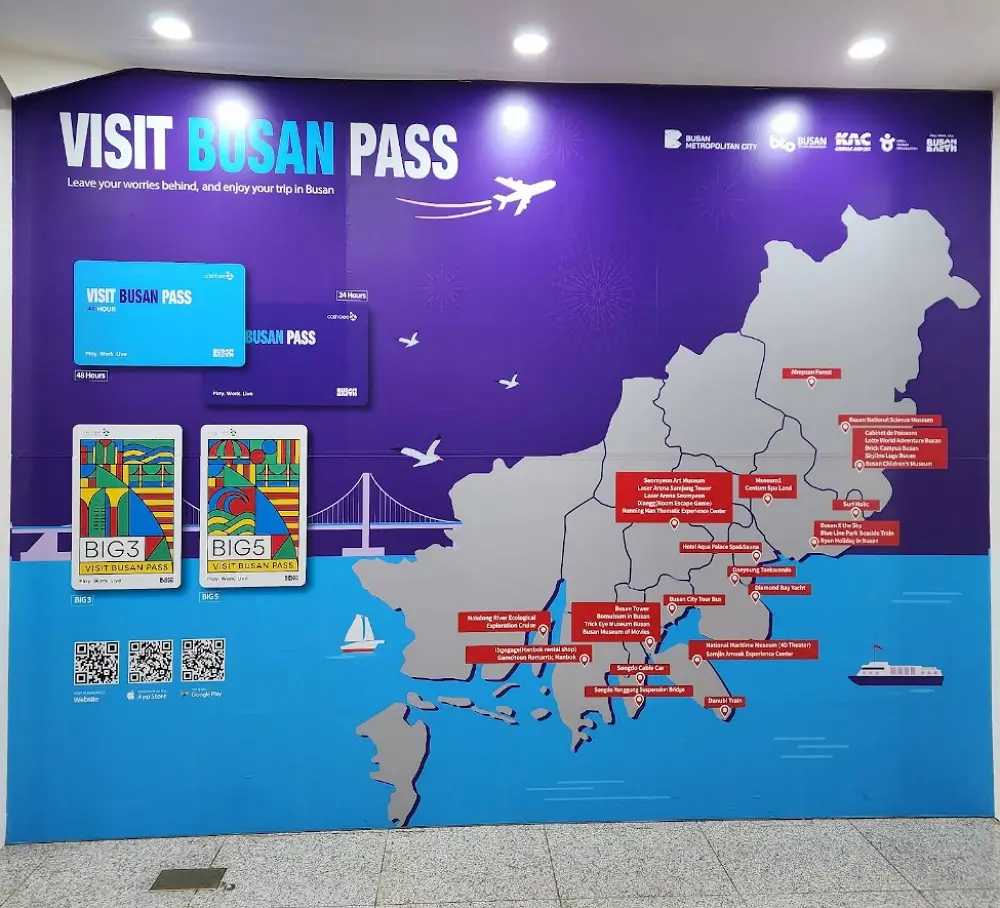
    A large promotional wall display of the Visit Busan Pass showing a tourist map of Busan

    Don’t panic. As your trusted local friend, I’m going to break down the pros, cons, and actual costs of each transit option so you can save your precious travel time and shield your wallet perfectly!

    1. The Fastest and Smartest Choice: KTX (High-Speed Train)

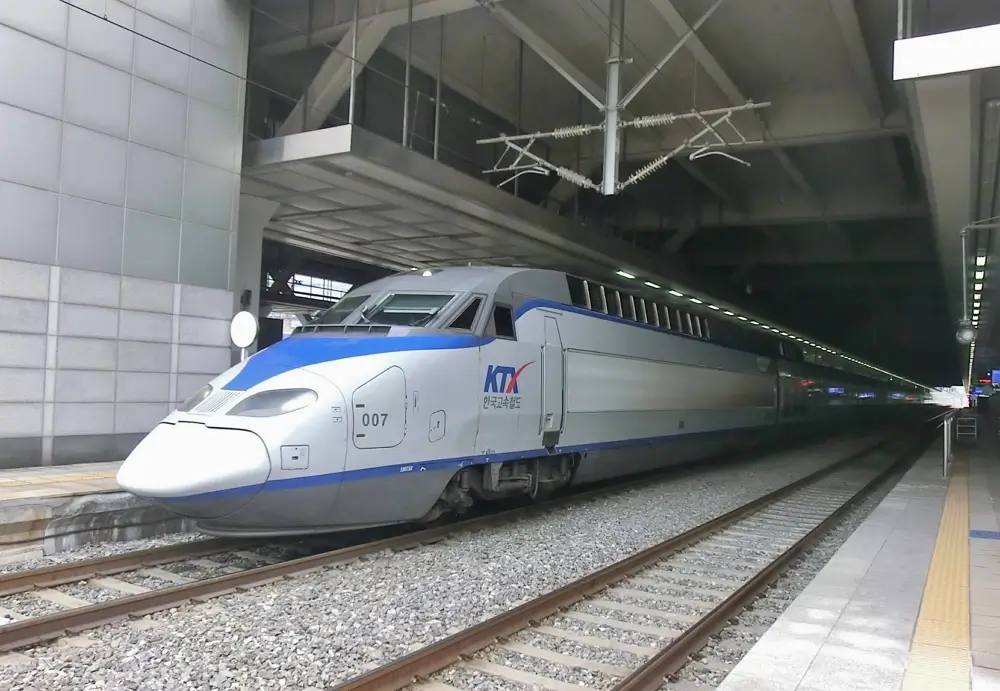
    When locals travel from Seoul to Busan, 8 out of 10 people will unhesitatingly choose the KTX. It’s a no-brainer because it takes you directly from the absolute center of Seoul (Seoul Station) to the heart of Busan (Busan Station) without a single annoying transfer.

    • The Biggest Pro: Rocketing across the country at 300 km/h (186 mph), it plugs you into Busan in just 2 hours and 30 minutes. Plus, you can stream videos with the free onboard Wi-Fi, charge your phone, and smoothly watch the beautiful Korean countryside roll by. Delays are almost non-existent, making it the ultimate holy grail for meticulous planners.
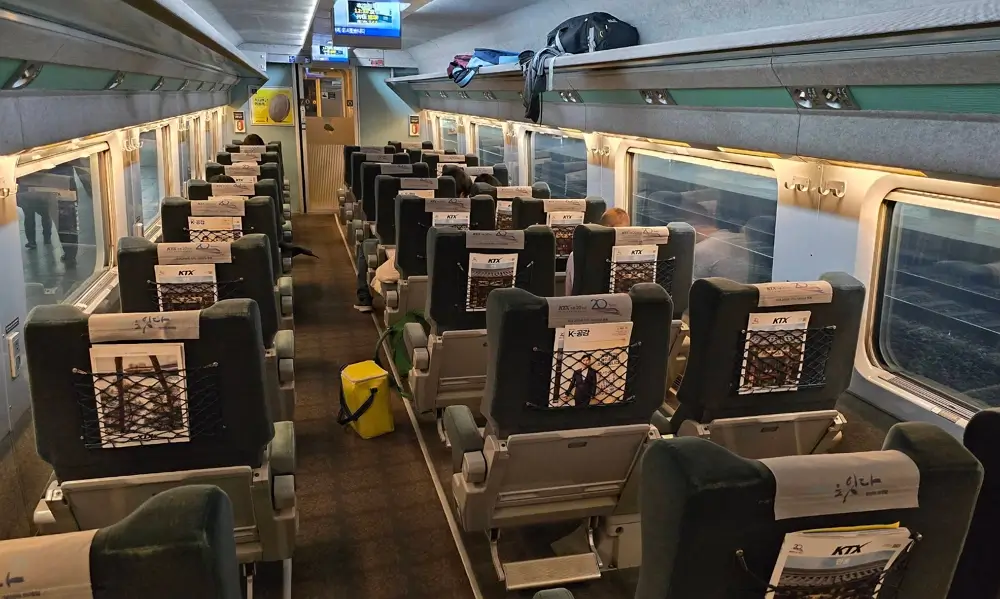
    Interior view of a KTX train first class car featuring premium passenger seats and spacious aisle
    • Tip for Budget Warriors: Because the KTX is incredibly efficient and reasonably priced even for locals, it is wildly popular. This means weekend and holiday tickets sell out lightning-fast. Before you even board your flight to Korea, look into booking a Korail Pass online. It’s an exclusive discounted rail pass for foreign tourists that gives you incredible flexibility and saves you a ton of cash!

    2. Flying Through the Sky: Domestic Flights (Gimpo to Gimhae)

    It’s easy to assume, “Hey, a plane has got to be faster than a train, right?” Well, there is a massive, hidden catch here. Let’s do some cold, hard math by breaking down the clock.

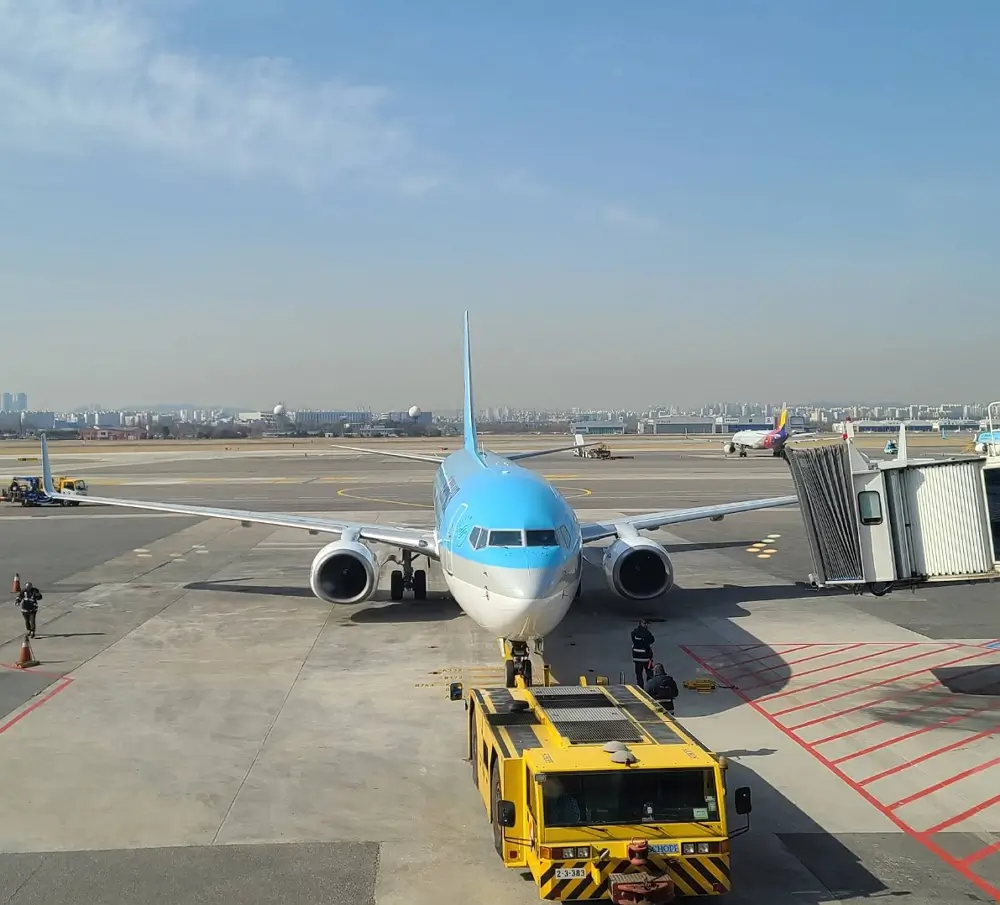
    A light blue Korean Air airplane parked on the airport runway connected to a boarding jet bridge
    • The Hidden Catch: The actual flight time in the air from Seoul to Busan is only about 1 hour. But remember, you have to take the subway from central Seoul (like Myeongdong or Hongdae) out to Gimpo Airport, which takes at least 50 to 60 minutes. On top of that, you need to arrive at least 1 hour before departure to check your bags and clear security.
    • The Real Dealbreaker: It gets trickier once you land. After grabbing your bags at Busan’s Gimhae Airport, getting to Busan’s main beach tourist hubs like Haeundae or Gwangalli requires transferring between the light rail and subways, swallowing up another hour or more on the road.
    • Jay’s Honest Verdict: When you calculate the total door-to-door travel time, it easily takes 3.5 hours or longer—making it slower and vastly more exhausting than the KTX. Unless a domestic airline is running a ridiculous, dirt-cheap flash sale, do not waste your precious energy lugging heavy suitcases through airport security lines.

    3. Maximizing Your Savings: Express Bus

    “I have plenty of time, and I want to aggressively cut down on my transportation costs so I can spend that money more efficiently on sightseeing and food in Busan!” If that sounds like you, welcome to the ultimate budget-friendly option.

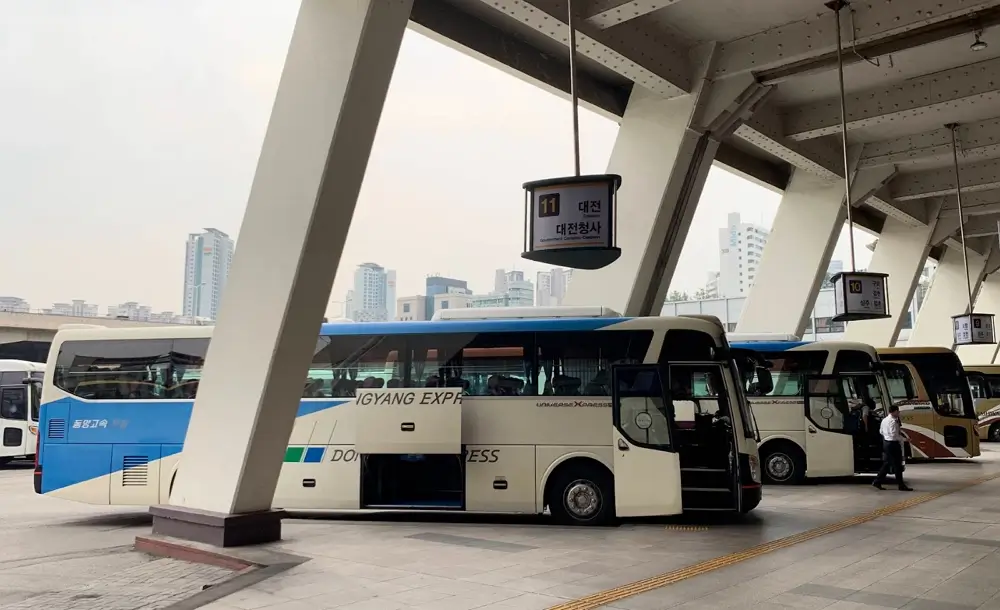
    Korean express buses parked at a terminal boarding gate with a sign showing destinations
    • The Real Stats: The price is incredibly sweet—roughly half the cost of a KTX ticket (ranging from 26,700 to 39,700 KRW). However, the journey from Seoul Express Bus Terminal to Busan takes a solid 4 to 4.5 hours. If you accidentally get caught in weekend or rush-hour traffic, you could easily be trapped on the highway for over 5 hours.
    A person holding a skewer of Sotteok-Sotteok with red sauce and a cup of roasted potatoes at a Korean highway rest stop
    • The Romantic Perk (Korean Rest Areas): But wait, there is a legendary, uniquely Korean romance to the express bus! It gives you a golden opportunity to experience South Korea’s iconic highway rest area culture. During the brief 15-minute pit stop, you can jump out and grab the warm, comforting street snacks that locals are absolutely obsessed with—like sizzling grilled butter potatoes, hot bars (fried fish cake skewers), and walnut cakes (Hodu-gwaja). It’s an absolute vibe!

    Seoul ➡️ Busan Transit Options At a Glance

    To make your life easy, here is the ultimate mobile-scannable 3-column breakdown of your choices:

    Transit OptionTravel Time & Estimated CostJay’s Honest Verdict
    KTX Train~2 hours 30 mins / ~60,000 KRWHighly Recommended. The most rational way to save both your time and stamina by moving directly from city center to city center.
    Domestic Flight1 hour in air (3.5 hours+ total) / ~40,000 – 80,000 KRWNot Recommended. The process of getting to the airport, checking bags, and navigating into Busan city is tedious and inefficient.
    Express Bus~4 hours 30 mins+ / ~26,700 – 39,700 KRWGreat for Budget Travelers. Long travel time, but the fun experience of trying unique snacks at Korean highway rest areas makes it worth it.
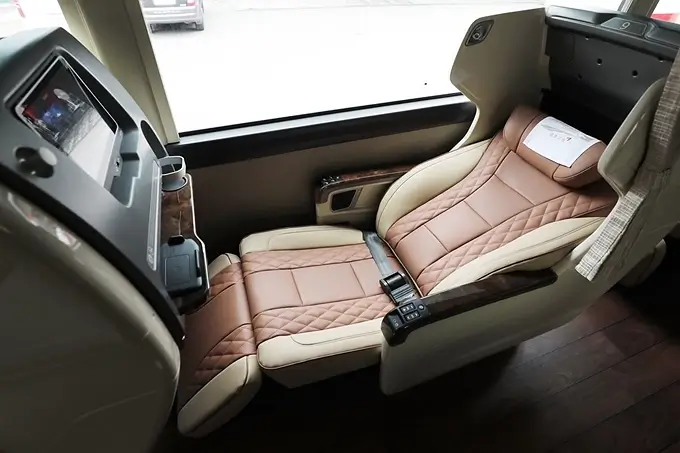
    Premium Bus~4 hours 30 mins+ / ~51,900 KRWFor Ultimate Comfort. Takes the same time as the express bus, but features spacious, fully-reclining seats comparable to airplane business class.
    Luxurious reclining leather seat inside a Korean premium express bus with a personal entertainment screen

    One Final Local Tip Before You Head Out

    If you decide to ride the KTX from Seoul Station, make sure to pop into a convenience store or a specialized lunchbox shop at the station departure hall to grab a “KTX Dosirak” (Korean lunchbox), some Gimbap, or a quick sandwich before boarding! Eating a delicious meal while watching the peaceful Korean countryside fly past your window is pure romance and the perfect kickoff to your journey.

    When booking your KTX, the price gap between Economy and First Class is surprisingly small. If you want a slightly wider seat and some free premium snacks, aiming for a First Class seat is an incredibly smart and satisfying upgrade.

    On the flip side, if you are a slow traveler with a very flexible itinerary, trying out the ultra-luxurious Premium Bus (which I added to the chart above) is a fantastic alternative. You can draw personal curtains for total privacy, fully lie down in your seat, and enjoy your own media monitor, turning a long highway ride into a relaxing, premium rest.

    Now that you’ve got your perfect transit option locked down, are you ready to go greet the beautiful blue ocean of Busan? Have an amazing, safe trip!

  • About

    Welcome to our site! We provide the best travel guides and survival tips for international tourists visiting South Korea, including transit info, local hot spots, and accommodation reviews.

  • The Perfect First-Day Itinerary in Seoul: How to Explore Ikseon-dong and Insadong Like a Local

    Some of you might have already read my previous posts on getting ready for South Korea, while others might be landing on my page for the very first time. Welcome! Whether you are a meticulous planner who maps out every single detail or a spontaneous traveler who loves to wing it, one major question will inevitably pop into your head the moment you drop your bags at the hotel: “It’s my very first day in Seoul, where on earth should I go first?”

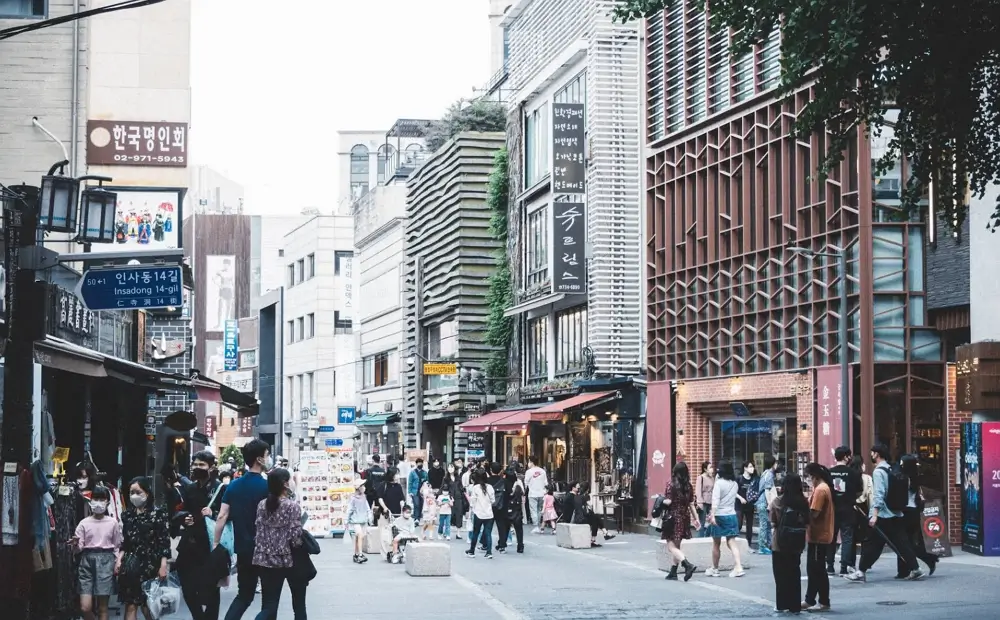
    A busy and lively street view of Insadong cultural district in Seoul, showing tourists walking past traditional Korean shops and restaurants.

    Most generic travel guidebooks will tell you to sprint straight to Myeongdong for shopping or rush into Gyeongbokgung Palace. But let’s take a quick breath and listen to a local friend first. If you want to experience the breathtaking contrast of Seoul’s ultra-modern skyscrapers mixed with its deep, living history right from day one—and more importantly, if you want to avoid getting completely lost and exhausted—you need to look at the perfect starting spot I’m about to show you.

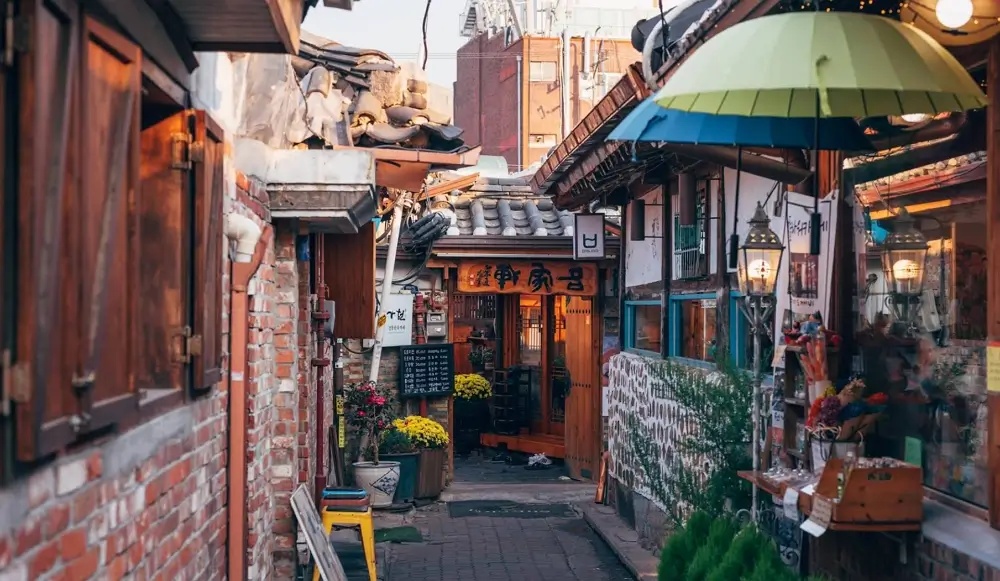
    A narrow and charming alleyway in Ikseondong Hanok Village, lined with traditional wooden Hanok buildings and modern cafes under cozy lightning.

    Welcome to the ultimate duo: Ikseon-dong (익선동) and Insadong (인사동). These two historic neighborhoods sit directly next to each other, making them the absolute best, stress-free gateway to your Seoul adventure.

    The Vibe & History Check: How the Past Meets the Present

    Though they are neighbors, these two areas have completely distinct personalities rooted in their unique histories. Understanding how they became the perfect blend of old and new makes exploring them ten times more magical.

    A perspective view of an aesthetic cafe in Ikseondong, blending a traditional Korean Hanok mud wall with modern glass windows and interior decorations.

    🗣️ 1. Ikseon-dong: The 100-Year-Old Modern Hanok Wonderland

    • The Backstory: Built back in the 1920s during a turbulent period of Japanese colonization, Ikseon-dong was originally created as Seoul’s very first planned residential area for working-class Koreans to protect their traditional housing culture.
    • The Modern Twist: Fast forward 100 years, and these cozy, narrow residential Hanoks have been masterfully flipped into the trendiest boutique shops, artisanal cafes, and unique restaurants in the city. It’s a pure visual paradise where original wooden beams and tiled roofs meet modern glass walls and espresso bars.

    🍵 2. Insadong: The Royal Core Turned Cultural Heart

    • The Backstory: During the Joseon Dynasty (1392–1910), Insadong was the prime residential district for royal officials, noble families, and scholars. After the dynasty ended, it naturally transformed into a marketplace where historical artifacts, pottery, and art pieces were traded.
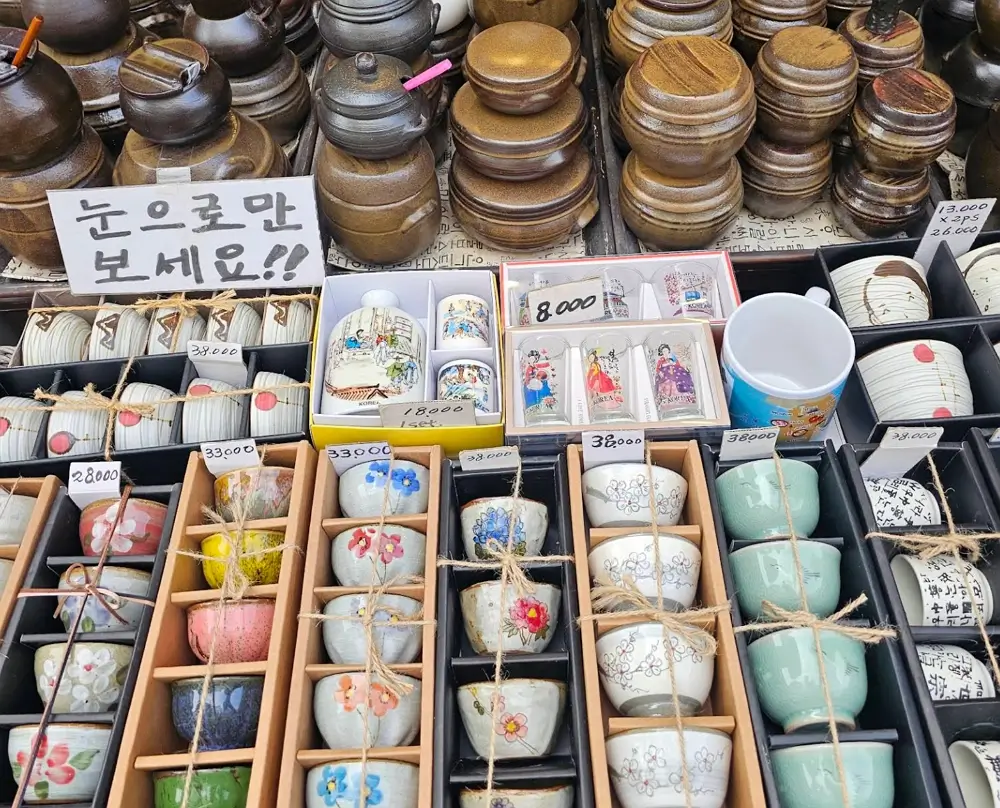
    A display of traditional Korean souvenirs, ceramic tea cups with floral patterns, and small pottery items at a shop in Insadong, Seoul.
    • The Modern Twist: Today, it remains the ultimate cultural bastion of Seoul. The main avenue is beautifully preserved, lined with ancient calligraphy shops, ceramic galleries, and traditional wooden teahouses tucked away in quiet courtyards.
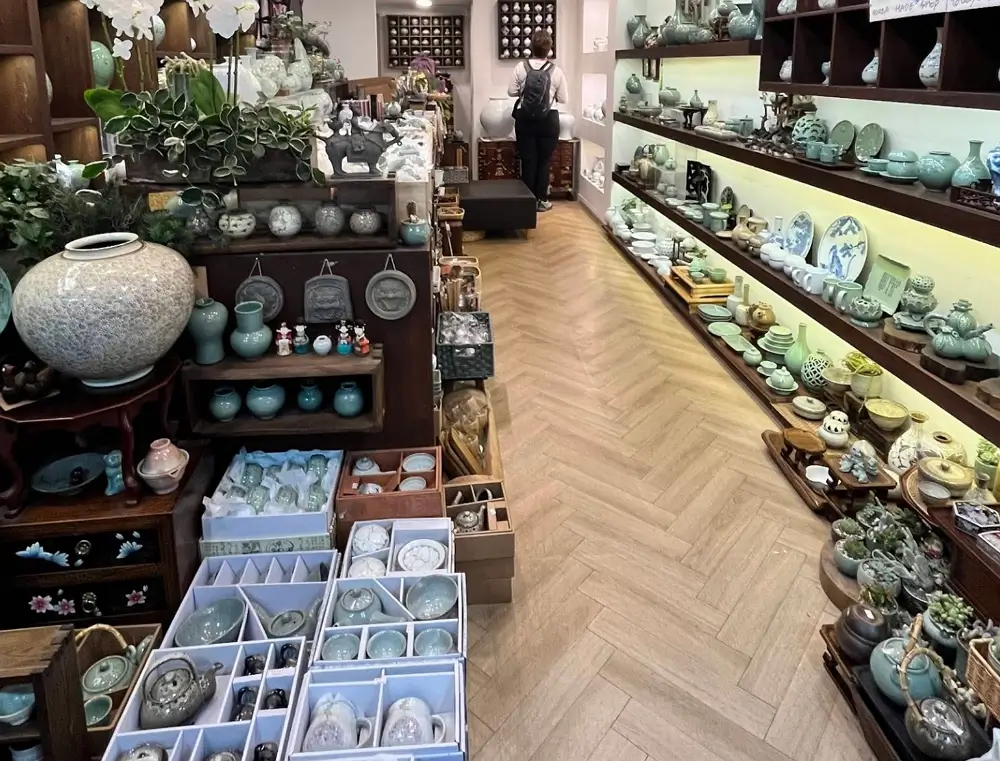
    The interior of a traditional Korean pottery shop in Insadong, Seoul, showcasing elegant green celadon vases, tea sets, and various ceramic crafts on shelves.

    First-Day Battle Plan: Navigating the Duo

    To ensure you don’t waste a single minute of your precious first afternoon, here is your quick mobile-friendly cheat sheet for conquering both spots seamlessly:

    DestinationBest Subway AccessJay’s Honest Verdict
    Ikseon-dongJongno 3-ga Station (Lines 1, 3, or 5) – Exit 4 or 6Perfect for an afternoon cafe run. The narrow paths get incredibly bottlenecked by dinner time, so hitting the 한옥 (Hanok) cafes around 2 PM is the ultimate workaround.
    InsadongAnguk Station (Line 3) – Exit 6Ideal for evening strolls and dinner. Walk the wide main street, hunt for authentic souvenirs, and duck into a hidden alleyway for a hearty traditional meal.

    📌 Jay’s Insider Tip: Avoid the Back-Alley Maze!

    Because these two neighborhoods are right next to each other, your navigation app might try to guide you through a confusing, dark web of narrow back alleys to transition from Ikseon-dong to Insadong.

    To save your knees and keep your day stress-free, follow this simple route: walk out of Ikseon-dong back toward the main road near Jongno 3-ga Station Exit 5. Walk straight past the massive Nakwon Music Mall building, cross the main intersection, and you will see the wide, welcoming entrance of Insadong’s main avenue right in front of you. It’s a straight, easy walk that guarantees you won’t get lost!

    Cash, Cards, and Royal Costumes: Final Reminders

    Both Ikseon-dong and Insadong are incredibly welcoming to global travelers, but a few local nuances will save your day.

    While you can comfortably swipe your international Visa or Mastercard at any trendy cafe in Ikseon-dong, a lot of the deeply hidden old teahouses, street food vendors, and local artisan stalls in Insadong still heavily appreciate and accept cash. Do yourself a massive favor and keep a few 10,000 KRW bills in your wallet so you can try delicious street treats like sweet, gooey Hotteok without any awkward payment mix-ups!

    If you want to completely immerse yourself in Korea’s royal heritage while exploring this area, pre-booking a premium Hanbok (traditional Korean dress) rental online is an incredibly smart and rational choice. Walking into the nearby palaces like Gyeongbokgung or Changdeokgung while wearing a Hanbok gets you 100% free admission. Plus, snapping photos against the ancient wooden hanok alleyways creates a magical, unforgettable memory you’ll cherish forever.

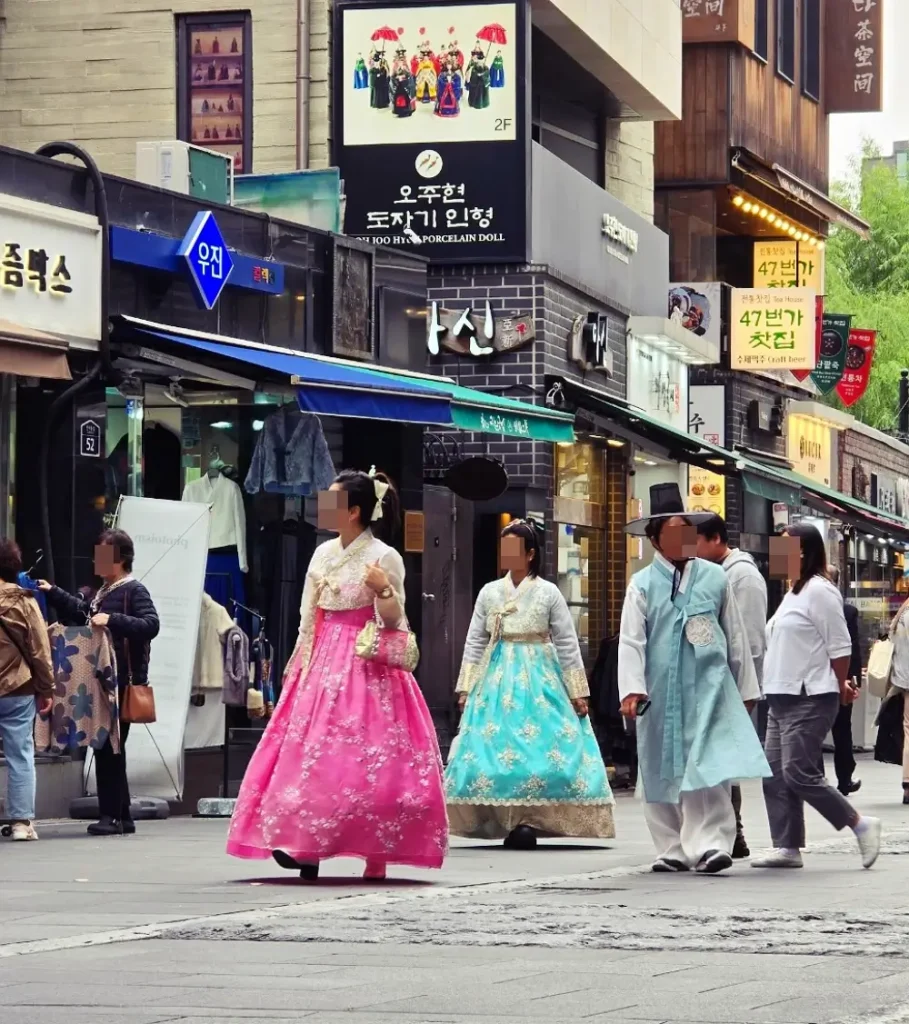
    People wearing colorful traditional Korean Hanok dresses walking on the street of Insadong, Seoul, experiencing Korean culture.

    Make sure your phone battery is fully charged to capture every corner, open up your trusty navigation app, and it is finally time to step out into the true charm of Seoul. Go out and enjoy the perfect harmony where Seoul’s trendiest modern style and beautiful ancient past coexist!

  • Tmoney vs. Climate Card: Which Korean Transit Card Actually Saves You the Most Money? (2026 Guide)

    If you’ve already checked out my previous posts, you should now know exactly how to get from Incheon Airport straight into the heart of Seoul, and you’ve probably loaded up your phone with all the essential Korean survival apps, too! That means you are officially ready to conquer the bustling streets of Seoul like an absolute local pro.

    But right before you eagerly head down to the subway turnstiles for your first real adventure, you’re bound to face a massive puzzle: “Which transit card should I actually buy?”

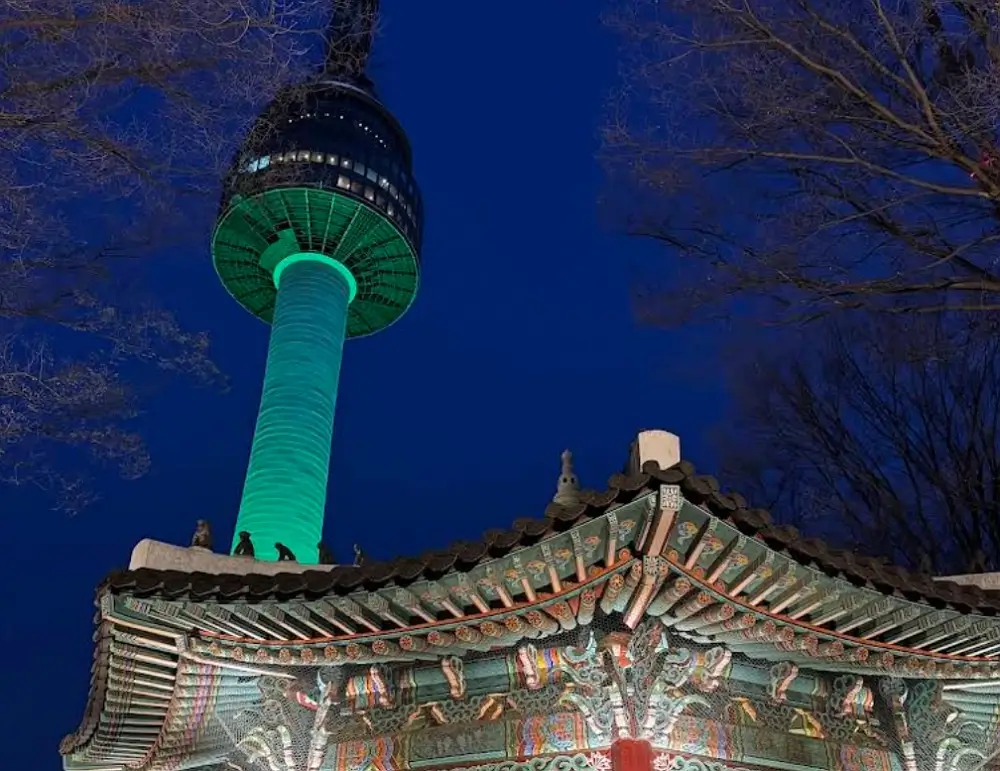
    N Seoul Tower illuminated in green at night behind a traditional Korean pavilion roof under a dark blue sky

    If you’ve done a bit of late-night scrolling on Instagram or YouTube, you’ve definitely heard of the legendary Tmoney card. But recently, there’s a new buzzy player in town called the Climate Card (단기 기후동행카드), and it’s quickly becoming a hot topic among travelers.

    Don’t sweat it. As your trusted local friend in Seoul, I’m going to break down the hard numbers so you can stop scratching your head and choose the absolute best option to shield your wallet!

    Let’s Look at the Two Main Options: Seoul’s Top Transit Cards

    Before we dive into the math, let’s quickly look at what these cards actually are and how they work.

    🗺️ 1. The Classic Champion: Tmoney Card

    Think of Tmoney as your traditional pay-as-you-go card. You buy the physical card, load it up with cash, and every time you beep your way into a subway or bus, the fare is deducted. It never expires, and it works flawlessly nationwide—from the cozy coastal alleys of Busan to the amazing seafood markets of Sokcho. It’s the ultimate baseline card for Korea.

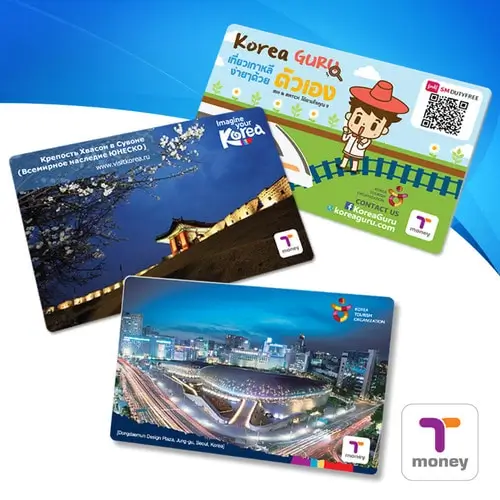
    Three different designs of South Korea Tmoney public transit cards for tourists featuring scenic Seoul landmarks and characters

    🚖 2. The New Value King: Climate Card (Short-Term Pass)

    Introduced specifically for travelers who plan to move around a lot, this is a time-limited tourist pass. You pay one flat rate, and you get unlimited rides on Seoul’s subways and public buses for 1, 2, 3, 5, or 7 days. No topping up every two days, no worrying about running out of balance mid-journey.

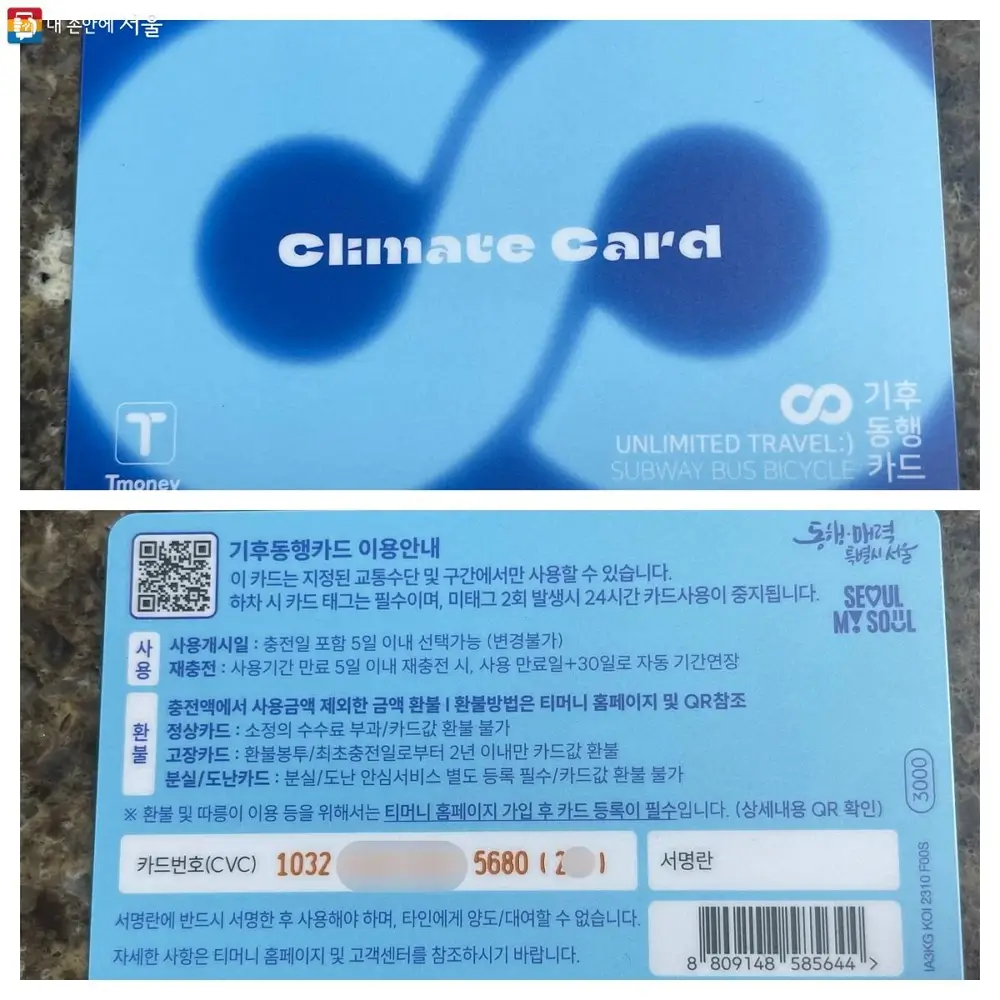
    The front and back view of a blue Seoul Climate Card showing unlimited transit pass information and user guidelines

    The Ultimate Math: Which Card Fits Your Trip Style?

    To save your precious travel time, here is the exact breakdown based on your personal itinerary. In Seoul, a standard base fare for a single subway ride is roughly 1,400 KRW. Let’s see which one gives you the best bang for your buck:

    Card OptionUpfront/Pass CostJay’s Honest Verdict
    Tmoney Card3,000 – 5,000 KRW (Non-refundable card fee) + Pay-as-you-go loadsHighly recommended for long-term travelers. If your trip is longer or you plan to chill and visit other cities outside Seoul, this is your go-to.
    3-Day Climate Card10,000 KRW (Flat rate)Perfect for short-term or budget-conscious travelers. At just 10,000 KRW for 3 days, taking just 3 subways a day easily breaks even.
    5-Day Climate Card15,000 KRW (Flat rate)Best for active travelers who want to skip the hassle. Ideal if you move around constantly and want to completely eliminate time wasted on card recharges.

    📌 Jay’s Insider Tip: While the Tmoney card works across the entire country, the Climate Card is strictly for Seoul. If you take the subway all the way out to Incheon or certain areas in Gyeonggi-do, the exit gate might give you an error beep. If you plan a day trip to Nami Island or the DMZ, keep a basic Tmoney card as a backup workaround!

    Where to Grab Your Cards (Don’t Get Scammed!)

    Do yourself a massive favor and do not buy these cards from random, sketchy resellers online. Our wallets are precious, and getting them through official channels is incredibly easy.

    • For Tmoney: You can find them literally everywhere. Just walk into any convenience store (CU, GS25, 7-Eleven) at Incheon Airport or right around your hotel. They are completely stocked. As a bonus, they often have super cute special edition collaborations with K-pop stars or Sanrio characters, so picking your design is half the fun!
    • For Climate Card: You can grab the physical tourist version at the Information Centers inside Seoul Subway stations (Lines 1–8) or at designated convenience stores right near the station entrances.
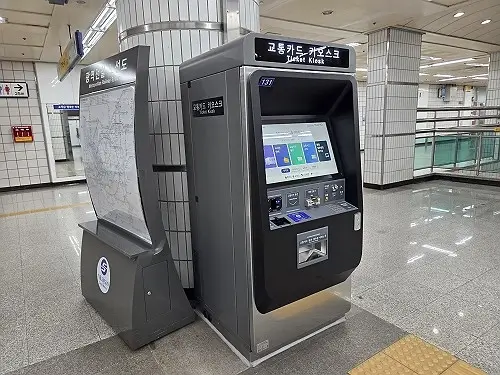
    A grey automated ticket kiosk for purchasing and topping up transportation cards inside a Seoul subway station

    ⚠️ Crucial Cash Alert: When you load or top up your Climate Card at the station’s ticket machines, they strictly accept cash (Korean Won) only! They do not accept foreign credit cards for transit pass top-ups yet, so make sure to keep some physical bills in your pocket before heading to the machine.

    Before You Tap and Go: One Final Reminder

    Navigating Seoul’s transit system is incredibly clean and efficient, but getting caught at the gate right at the start of your journey can completely ruin your mood for the day.

    If you want a truly seamless experience right from the moment you exit the baggage claim, do yourself a massive favor: pre-order a special custom Tmoney card online and pick it up right at Incheon Airport. It often comes bundled with cool discount vouchers for major hotspots like the N Seoul Tower, making it an incredibly smart and rational choice for your wallet!

    Once you have your perfect transit card in hand, you are fully equipped to explore the greatest city in the world. See you in Seoul!

  • 3 Essential Mobile Apps You Need for Your Korea Trip (2026 Guide)

    No matter which city you plan to visit in South Korea, you’ve probably spent hours planning your food list, shopping spots, and amazing cultural experiences. But the moment you land at Incheon Airport and open Google Maps to find your hotel, you’ll quickly realize something feels a bit off.

    To put it simply: Google Maps doesn’t work well in South Korea. Due to local security regulations, it cannot provide walking directions, and the public transit data is often delayed. It’s very easy to find yourself lost in the middle of an unfamiliar alleyway.

    To travel smartly and comfortably just like a local, you need to update your digital toolkit. Before your flight touches down at Incheon Airport, make sure to download and set up these 3 essential survival apps.

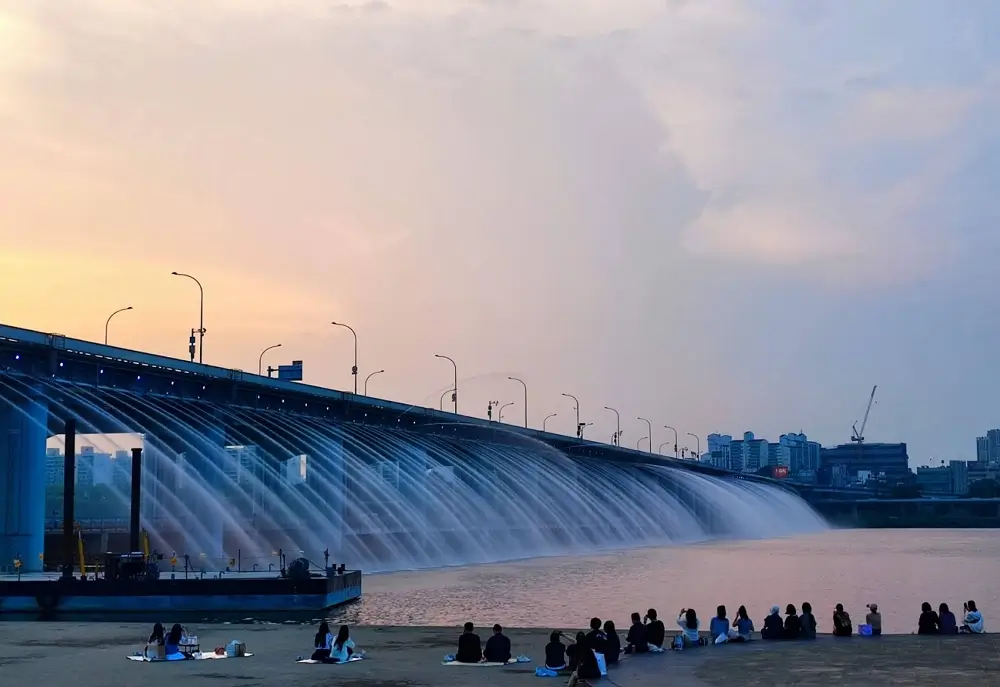
    Banpo Bridge rainbow fountain night view for essential Seoul travel guide

    🗺️ 1. Naver Map: Your Number One Navigation Guide in Korea

    If you can only download one single app for your entire trip, it should definitely be Naver Map. You can safely close all your Google Maps tabs now.

    Because of unique security laws, South Korea does not share its detailed geographic map data with foreign servers. This is exactly why Google Maps cannot give you walking routes here. Instead, Naver, the top search engine in Korea, holds the most accurate map data.

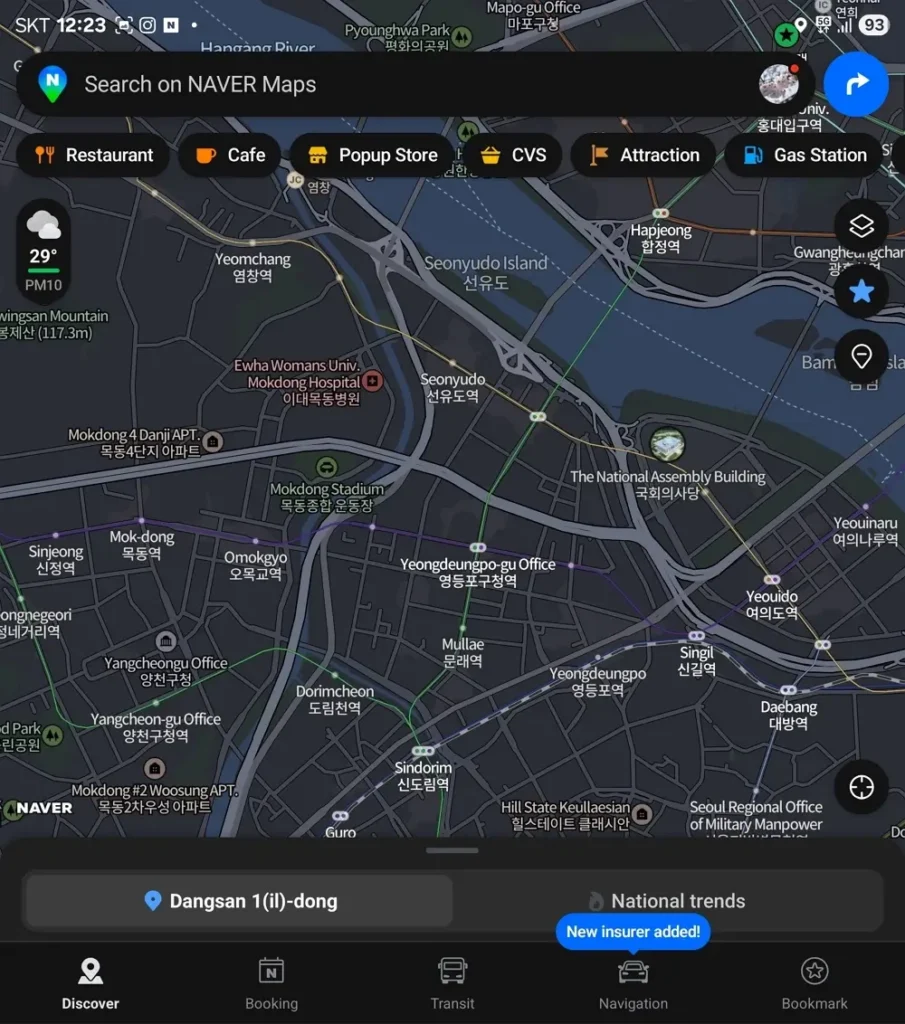
    Naver Map app english search interface for foreigners traveling in Seoul

    💡 Why you should download it:

    • Perfect Walking Directions: It tracks your real-time location beautifully and guides you step-by-step through even the narrowest streets.
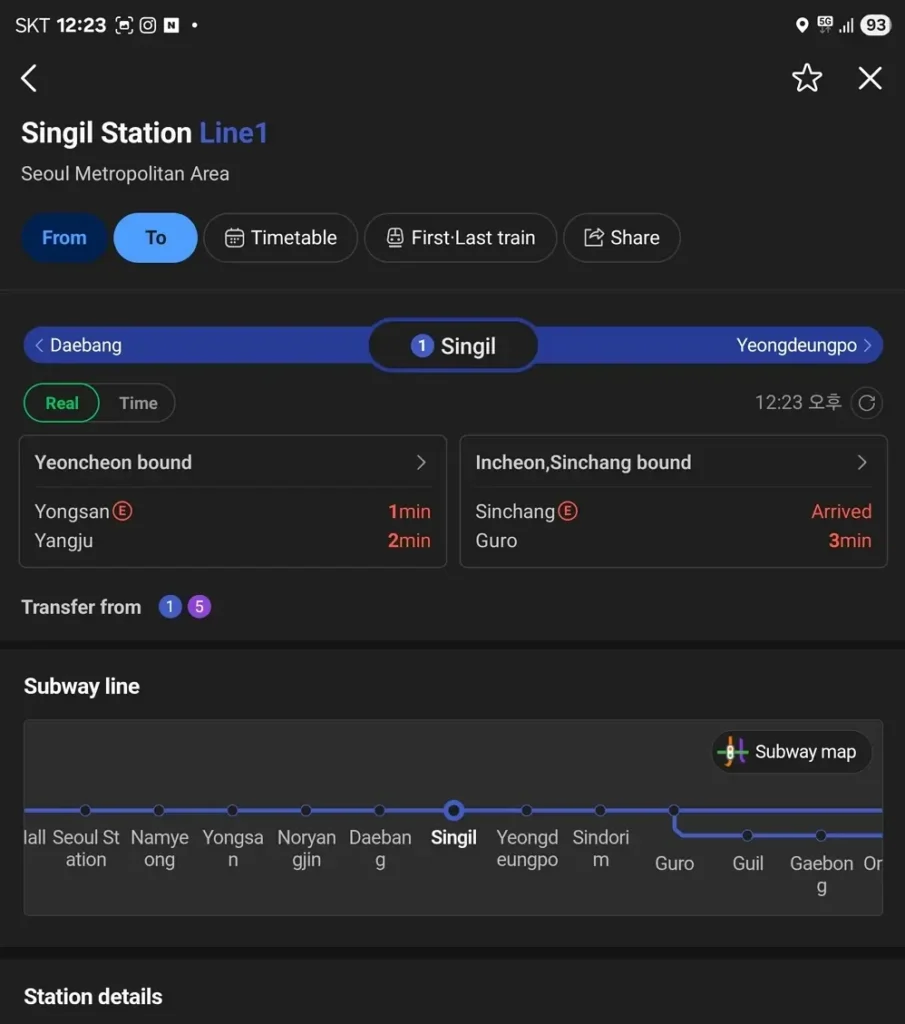
    • Incredibly Accurate Transit Data: It tells you exactly how many minutes and seconds are left until your next subway or bus arrives. It even shows you which subway door is the fastest for transfers.
    • Full English Support: Don’t worry about the language barrier. The app fully supports English, so you can easily find your way by typing English addresses or the names of famous sights, like “Gyeongbokgung Palace.”
    Category/Option🗺️ Naver Map (The King)🌐 Google Maps (The Trap)Jay’s Honest Verdict
    Walking Routes100% Flawless. Tracks every single corner & alleyway.Completely Broken. Won’t give you any walking directions.Naver is an absolute lifesaver for navigating Seoul’s streets.
    Public TransitReal-time updates. Tells you the exact train/bus arrival to the second.Delayed data. Often leaves you waiting for buses that already passed.Google is fine back home, but it will ruin your transit schedule here.
    Local SearchFinds hidden cafes, phone numbers, and raw photo reviews by locals.Outdated reviews. Missing many new hot spots and trendy shops.If you want to find the real, foolproof food spots, trust Naver.

    📌 Jay’s Insider Tip: If you can’t find a specific restaurant by its English name, try copying and pasting its phone number or exact address from Instagram or Google. It will pop up right away! Also, checking out the photos left by Korean locals in the app is a great way to find foolproof food spots.

    Naver Map subway routing and real-time transit schedule in South Korea

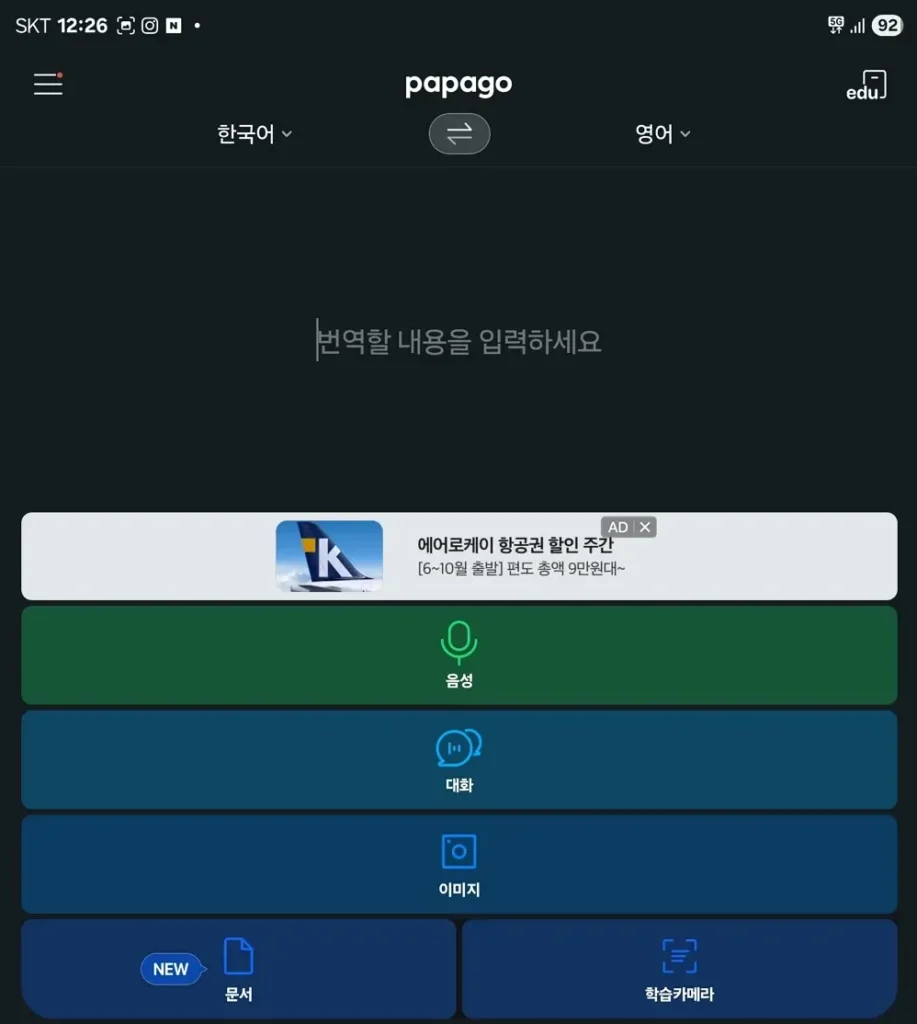
    🗣️ 2. Papago: The Smart AI Translator That Saves the Day

    You might think Google Translate is enough, but Korean is a very deep language with unique contexts and polite speaking styles. If you rely only on Google Translate, you might end up sounding a bit robotic or, worse, unintentionally rude to the locals.

    To connect and communicate naturally with people here, Papago is your best answer. Created by Naver, this AI translator understands Korean cultural nuances and speech patterns better than anything else.

    Using Papago translator camera feature to translate Korean signs into English

    💡 Why you should download it:

    • The Magic Camera Feature: Korea is famous for its amazing street food and cozy local restaurants, but many hidden gems don’t have English menus. Just open Papago, tap the camera icon, and hold it over the menu. It neatly turns handwritten Korean into natural English right away.
    • Real-Time Voice Translation: If you need help from a convenience store clerk or a police officer, just speak into the app in English. It will translate and speak out your request in polite, natural Korean.
    • Honorifics Toggle Switch: The app has a special “Honorifics” switch. Keeping it turned on ensures you always speak respectfully to the locals without any awkward mix-ups.
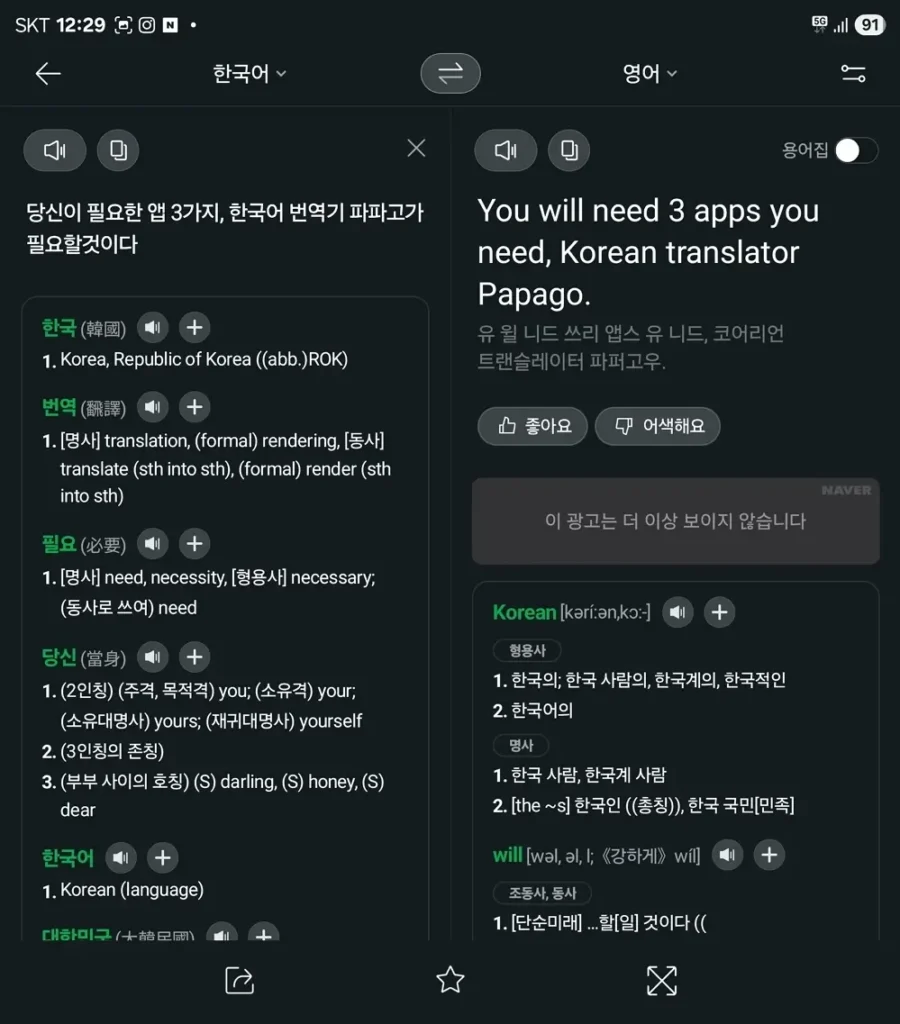
    Naver Papago app translation test result showing English to Korean phrases

    🚖 3. Kakao T: Your Ultimate Savior for Hailing Taxis

    If you are hoping to hail an empty taxi on the street just by waving your hand like in the movies, you might end up waiting outside for a very long time. Today, nearly 99% of Korean taxi drivers only pick up passengers who have pre-booked a ride through their phones.

    On top of that, Uber doesn’t operate normally in Korea—it’s highly restricted and usually connects you to very expensive luxury rides. The ultimate app used by everyone in Korea is Kakao T.

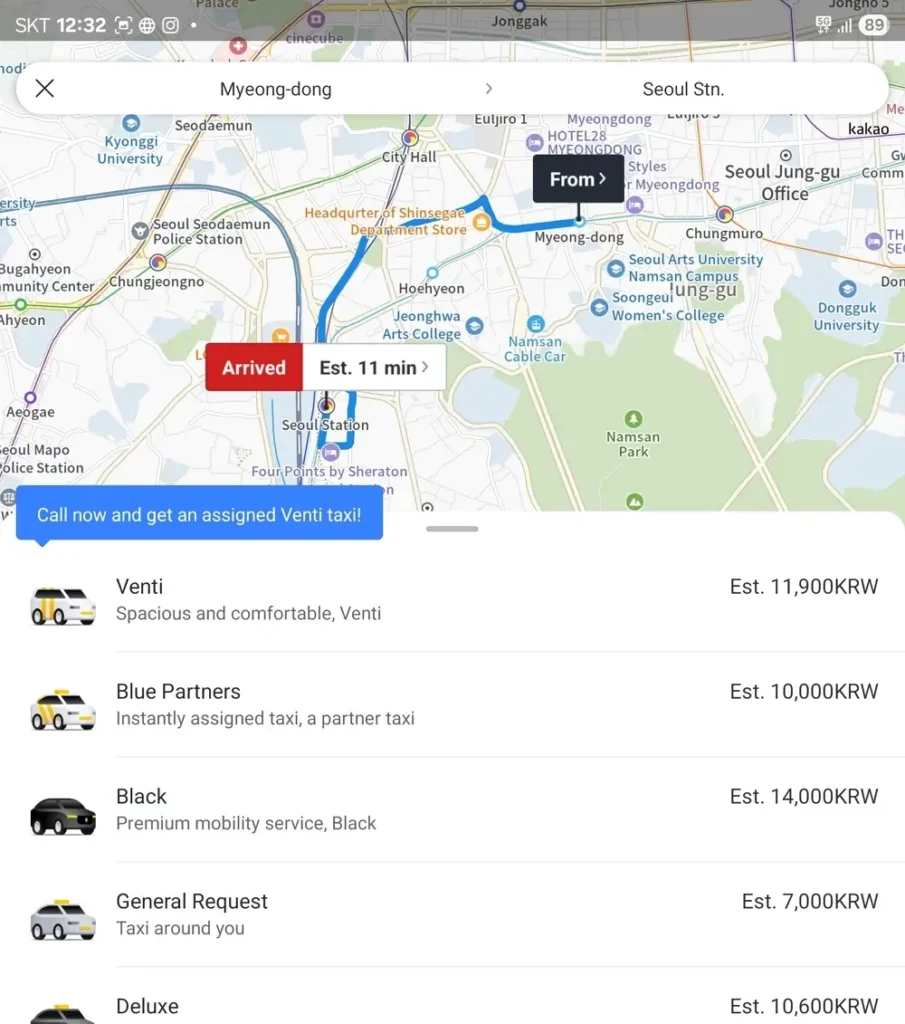
    Kakao T taxi app main map interface in English for seoul station pickup

    💡 Why you should download it:

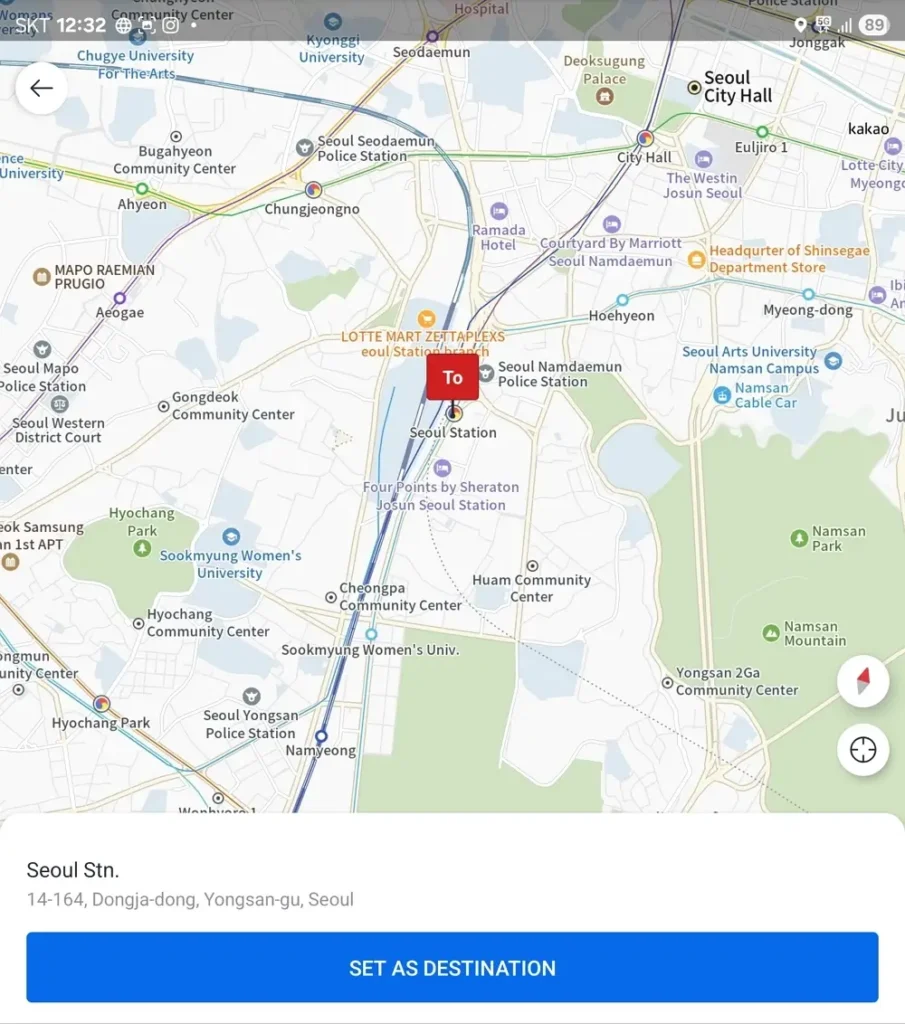
    • Zero Language Barrier: You don’t have to stress about explaining where you want to go in broken Korean. You just type your destination in English, call a ride, and the route is automatically sent to the driver’s navigation system.
    • The Secret Trick for Foreign Credit Cards: Many travelers get frustrated because the app sometimes rejects foreign credit cards during setup. Here is the ultimate workaround: when choosing your taxi type, swipe the options all the way to the right and select “Pay to Driver” (기사님께 직접 결제). This lets you skip registering a card in the app entirely. Once you arrive at your destination, you can just pay the driver directly using your physical Visa/Mastercard or cash!
    Kakao T app screen displaying English map route and taxi fare estimate for foreigners in Seoul

    📌 One Final Reminder: Please Do This BEFORE You Leave Home!

    As a local friend, I highly recommend that you download, install, and verify these 3 apps while sitting comfortably at home with your stable Wi-Fi.

    Apps like Kakao T usually require an SMS verification code to set up your account. If you try to do this after a long, exhausting flight at Incheon Airport—especially while dealing with a new eSIM that might not receive international texts—it can get overwhelming very quickly.

    Set up your digital survival kit before you board, and your first steps into South Korea will be smooth and completely stress-free. Welcome to Korea!

  • Incheon Airport to Seoul: The No-Nonsense Transportation Guide (2026)

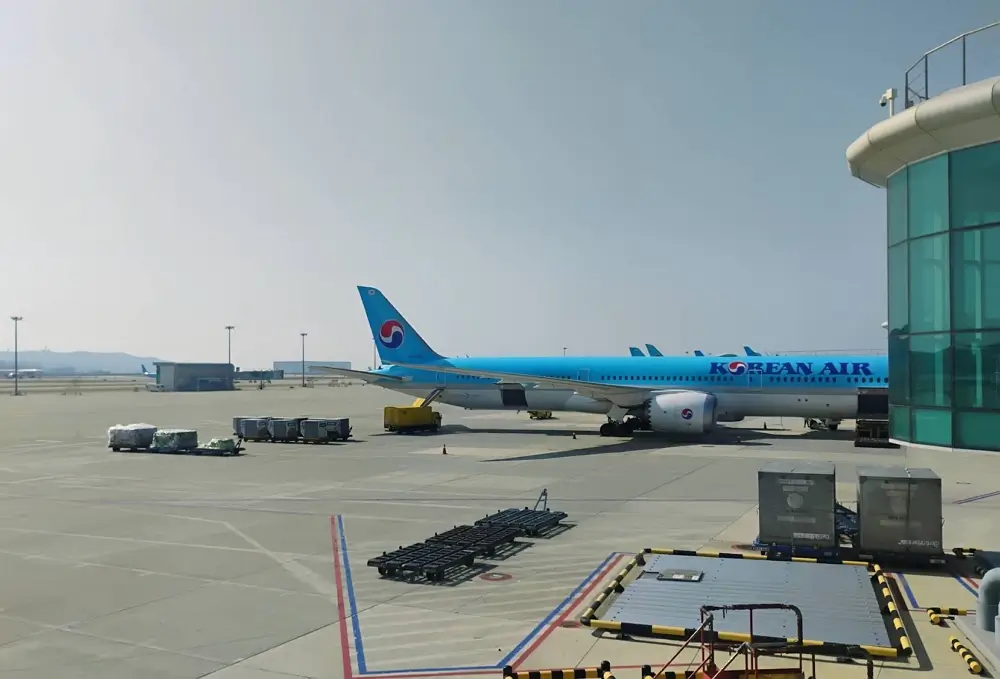
    orean Air airplane parked at Incheon International Airport terminal

    Landing at Incheon International Airport (ICN) for the first time can be a total brain melt. If it’s your very first visit, figuring out how to get into downtown Seoul might feel incredibly confusing and chaotic.

    The honest truth? The “best” way to get to the city completely depends on your wallet, where your hotel actually is, and how many heavy bags you’re dragging around.

    In this guide, I’m going to break down the three most reliable ways to make the trip: the AREX train, the airport limousine bus, and taxis. Give this a quick read, check your options, and pick the one that makes the most sense for you.

    1. AREX (Airport Railroad Express)

    The Airport Railroad Express—mostly just called AREX—is hands down the fastest and most predictable way to get from Incheon Airport to Seoul Station. You don’t have to deal with Seoul’s brutal traffic jams, which is a massive lifesaver when you’re trying to stick to a schedule.

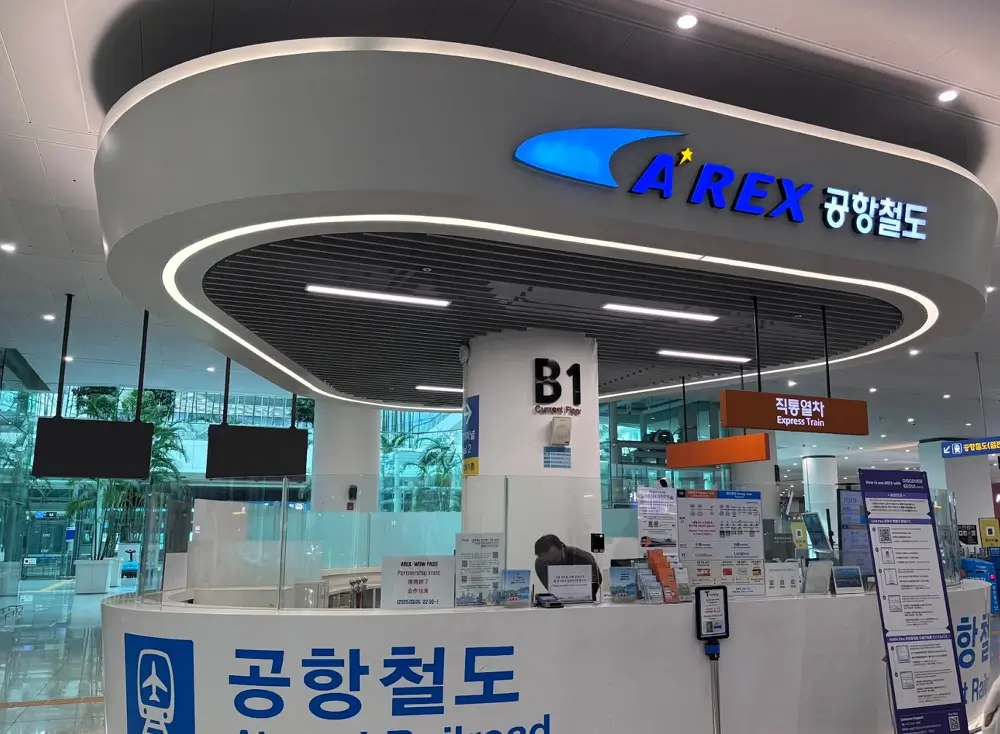
    Incheon Airport AREX train ticket gates and information desk

    Express Train (Non-stop)

    • The Route: Direct from Incheon Airport Terminal 1 or Terminal 2 straight to Seoul Station. No annoying stops along the way.
    • Travel Time: Just 43 minutes from Terminal 1, and 51 minutes from Terminal 2.
    • Ticket Price: If you buy a ticket on-site at the counter, it’s 13,000 KRW for adults (9,500 KRW for kids).
    • But here’s a quick money-saving tip: You can actually get a discounted voucher for around 11,500 KRW on travel apps like Klook. You can grab your discounted AREX ticket right here: [ 👉 Click here to get your discounted AREX ticket on Klook ]
    • How Often it Runs: It leaves every 30 to 40 minutes.
    • First & Last Trains:
      • From Terminal 1: First train is at 05:23 / Last train is at 22:48
      • From Terminal 2: First train is at 05:15 / Last train is at 22:40
    • The Perks: You get an actual assigned seat, free Wi-Fi that works perfectly, cabin crew assistance, and dedicated spaces to lock away your big suitcases.
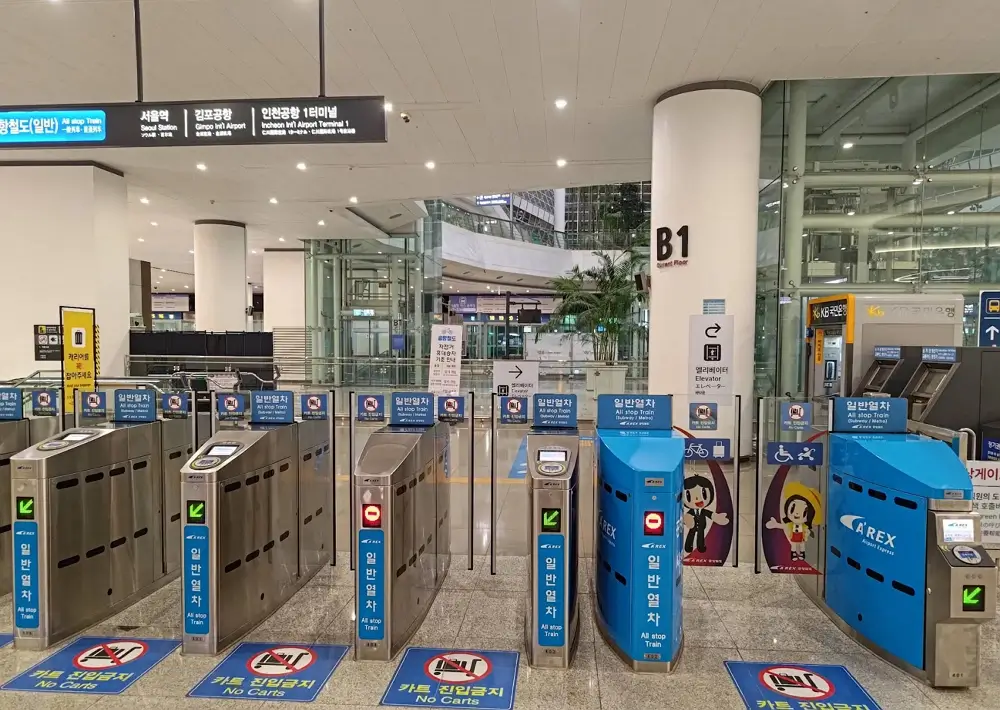
    Blue AREX All-stop train ticket gates at Incheon Airport Terminal 1

    All-Stop Train (The Commuter Sub)

    • The Route: This one hits all 14 subway stations along the way to Seoul Station, including Gimpo Airport and Hongik University (Hongdae).
    • Travel Time: Takes about 59 minutes from Terminal 1, and 66 minutes from Terminal 2.
    • Ticket Price: If you use a transit card, it’s 4,750 KRW from Terminal 1 to Seoul Station, and 5,350 KRW from Terminal 2.
    • How Often it Runs: Super frequent. It comes by every 5 to 15 minutes.
    • First & Last Trains:
      • From Terminal 1: First train is at 05:25 / Last train is at 23:57
      • From Terminal 2: First train is at 05:18 / Last train is at 23:50
    • The Perks: It’s dirt cheap and you never have to wait long for a train. If your accommodation happens to be around Hongdae, this is easily your absolute best bet.

    2. Incheon Airport Limousine Bus

    If your hotel is nowhere near Seoul Station, or if you’re hauling multiple massive suitcases, skip the train and go for the Airport Limousine Bus. Seriously, it completely saves you from the nightmare of carrying heavy bags up and down endless subway stairs.

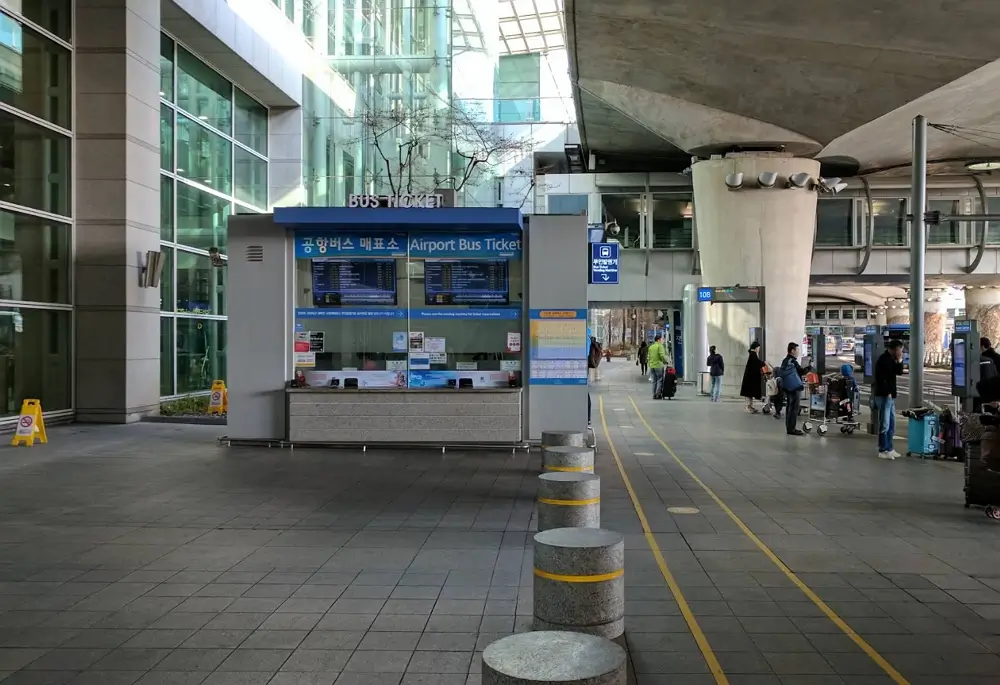
    Outdoor Airport Bus Ticket booth and platforms at Incheon International Airport

    Popular Routes and Prices

    • Deluxe Limousine Buses: Expect to pay around 17,000 KRW to 18,000 KRW one way.
      • Route 6001: Incheon Airport ➡️ Yongsan Station ➡️ Myeongdong
      • Route 6015: Incheon Airport ➡️ Mapo Station ➡️ Myeongdong Station
      • Route 6002: Incheon Airport ➡️ Sinchon ➡️ Hongdae ➡️ Dongdaemun
    • Night Buses (For Late-Night Arrivals): If you land past midnight, the regular buses are done for the day. You’ll need to grab a late-night limousine bus (like the N6000 heading to Gangnam or the N6001 going to Seoul Station). Tickets for these cost 19,000 KRW for adults.
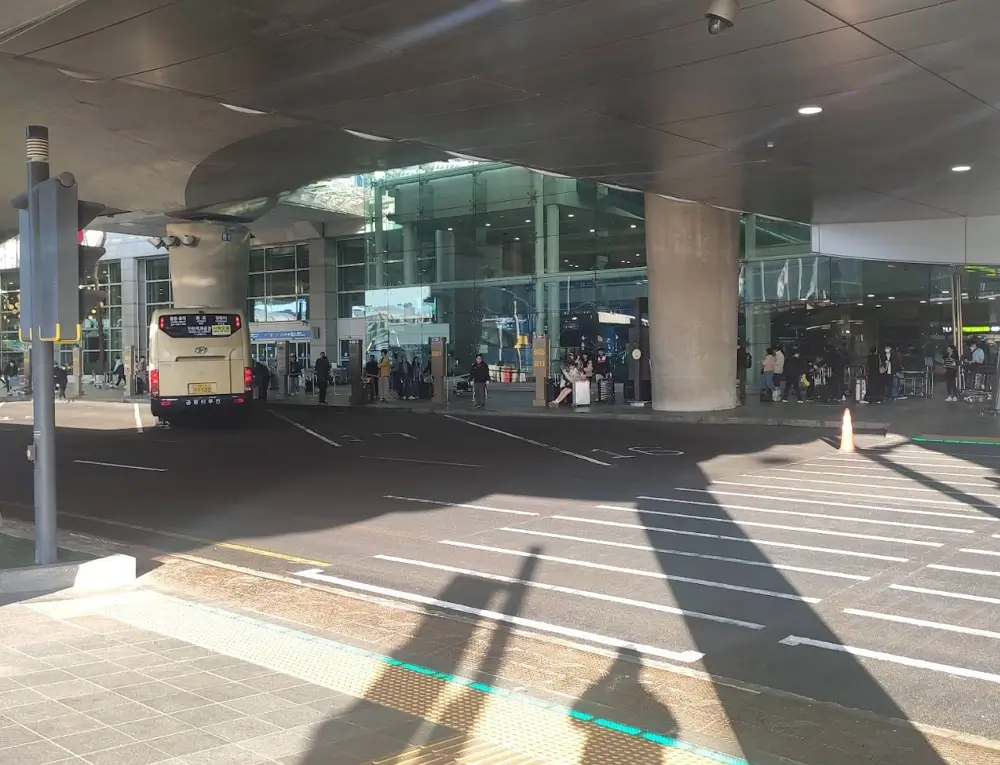
    Incheon Airport outdoor limousine bus boarding platform and station

    Grabbing Your Ticket

    • Where to find them: Look for ticket booths inside the arrival hall (1st floor) near Gates 4 and 9, or check right outside near the actual bus platforms.
    • How to pay: The automated ticket kiosks are super easy to use and accept credit cards, cash, or pre-charged T-money transit cards.

    3. Taking a Taxi from Incheon Airport

    Taxis give you that sweet, door-to-door convenience. It’s the ultimate choice if you’re traveling in a group of 3 or 4, traveling with kids, or landing dead in the middle of the night.

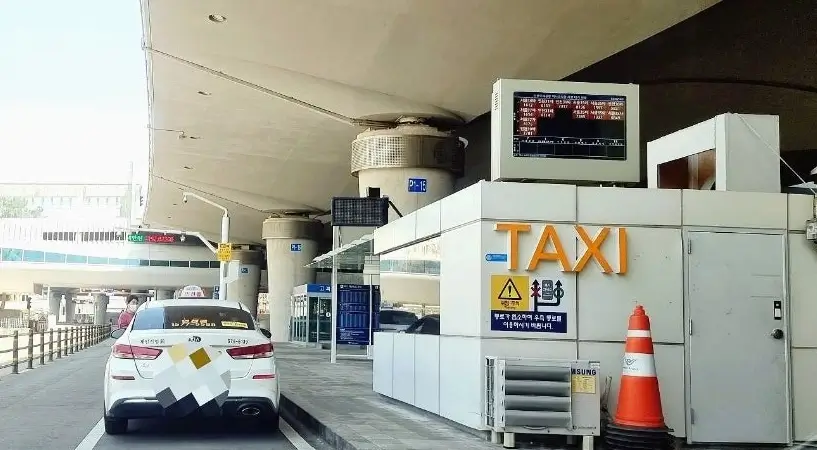
    Official standard taxi stand and orange taxi at Incheon Airport arrival exit

    Taxi Options & What You’ll Pay to Get to Downtown Seoul

    • Standard Taxi (Orange or Silver): To get to Myeongdong or Seoul Station, your meter will usually run between 60,000 KRW and 75,000 KRW.
    • International Taxi: These drivers speak English, Japanese, or Chinese. They charge flat rates based on zones (Zone A to Zone C), which usually ranges from 70,000 KRW to 95,000 KRW.
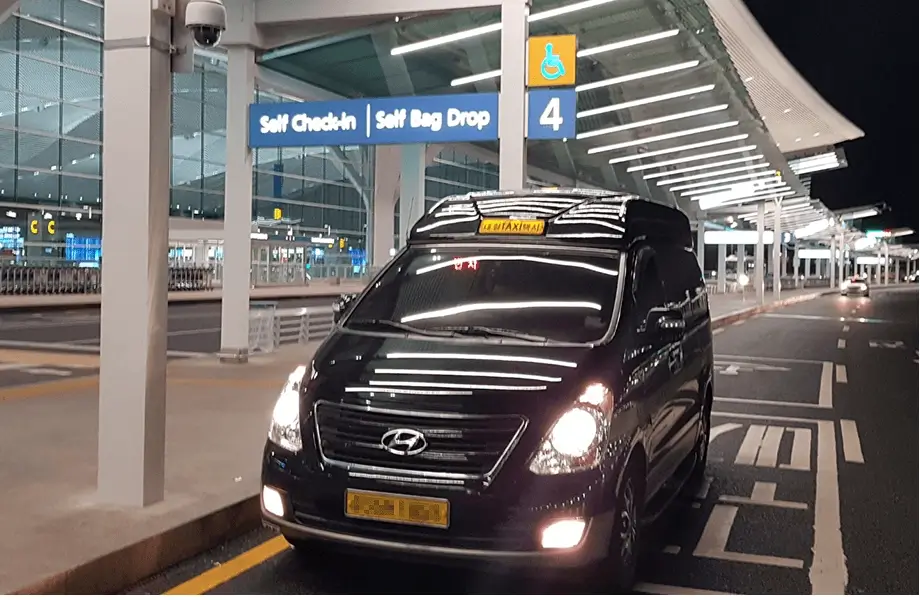
    • Deluxe & Jumbo Taxis (Black): Super safe, spacious, and luxury vibes. They don’t charge late-night surcharges, but the base rate is noticeably higher. Expect to shell out between 95,000 KRW and 120,000 KRW.
    Premium black jumbo deluxe taxi waiting at Incheon Airport terminal at night

    Real Insider Taxi Tips You Need to Know

    • Late-Night Surcharges: Between 23:00 and 04:00, a late-night surcharge kicks in, bumping prices up by 20% to 40%.
    • Bridge Tolls: Driving into Seoul means crossing the Incheon Grand Bridge or Yeongjong Bridge. That toll fee (around 5,500 KRW to 6,600 KRW) is paid by you, and the driver will add it to your final meter fare.
    • Stick to Official Stands: Only use the official taxi lines outside the terminal doors (Platforms 5C–8C at Terminal 1). Absolutely ignore anyone trying to hustle you for a ride inside the terminal—those are illegal, unauthorized drivers who will rip you off.

    4. Quick Breakdown: Which One is Right for You?

    Type of TransportWhat It Costs (KRW)Time It TakesWho It’s Actually For
    AREX Express Train13,00043–51 minsSolo travelers who need to track time perfectly
    AREX All-Stop Train4,750–5,35059–66 minsBudget backpackers, or anyone staying in Hongdae
    Limousine Bus17,000–18,00060–80 minsTravelers with heavy luggage who want a direct drop-off
    Standard Taxi60,000–75,00050–70 minsGroups of 3+, families, or late-night arrivals

    One last piece of advice. A lot of blogs will tell you to instantly buy and charge a T-money card (Korea’s transit card) at an airport convenience store (like CU or GS25) before you do anything else. Honestly? Don’t bother doing that right away. The airport lines can be long, and navigating it when you’re exhausted from a long flight is a pain. You don’t need a T-money card to get out of the airport anyway. Just wait until you get to your hotel, settle in, and grab one leisurely at a local store when your actual city travel begins. You’ll thank me later.