If you’ve already checked out my previous posts, you should now know exactly how to get from Incheon Airport straight into the heart of Seoul, and you’ve probably loaded up your phone with all the essential Korean survival apps, too! That means you are officially ready to conquer the bustling streets of Seoul like an absolute local pro.
But right before you eagerly head down to the subway turnstiles for your first real adventure, you’re bound to face a massive puzzle: “Which transit card should I actually buy?”
If you’ve done a bit of late-night scrolling on Instagram or YouTube, you’ve definitely heard of the legendary Tmoney card. But recently, there’s a new buzzy player in town called the Climate Card (단기 기후동행카드), and it’s quickly becoming a hot topic among travelers.
Don’t sweat it. As your trusted local friend in Seoul, I’m going to break down the hard numbers so you can stop scratching your head and choose the absolute best option to shield your wallet!
Let’s Look at the Two Main Options: Seoul’s Top Transit Cards
Before we dive into the math, let’s quickly look at what these cards actually are and how they work.
🗺️ 1. The Classic Champion: Tmoney Card
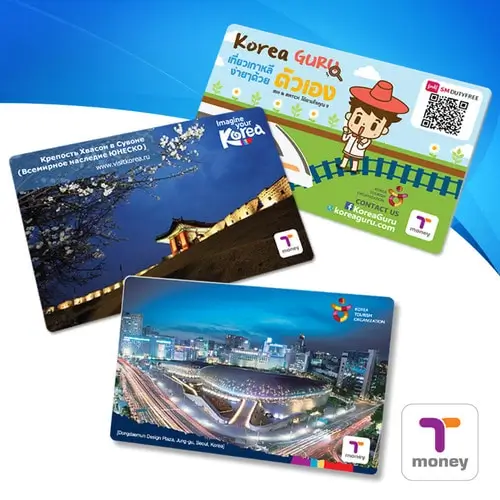
Think of Tmoney as your traditional pay-as-you-go card. You buy the physical card, load it up with cash, and every time you beep your way into a subway or bus, the fare is deducted. It never expires, and it works flawlessly nationwide—from the cozy coastal alleys of Busan to the amazing seafood markets of Sokcho. It’s the ultimate baseline card for Korea.
🚖 2. The New Value King: Climate Card (Short-Term Pass)
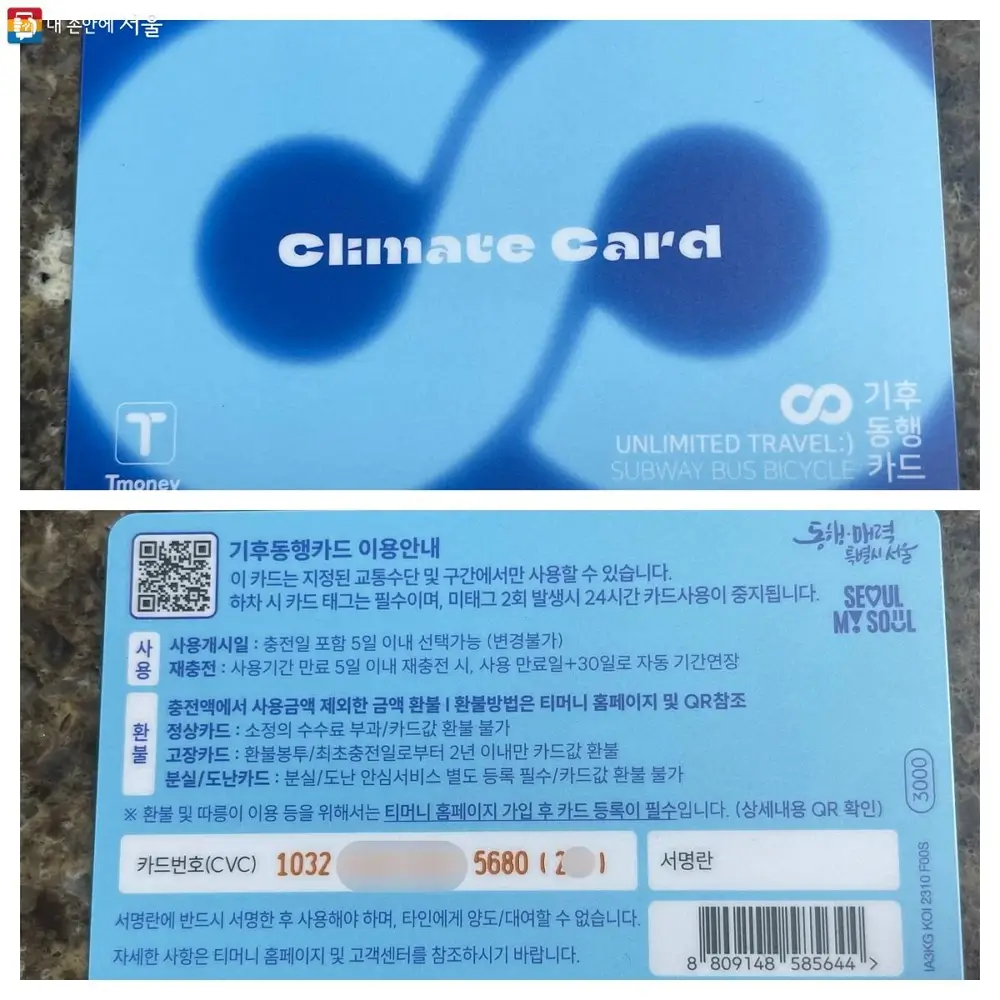
Introduced specifically for travelers who plan to move around a lot, this is a time-limited tourist pass. You pay one flat rate, and you get unlimited rides on Seoul’s subways and public buses for 1, 2, 3, 5, or 7 days. No topping up every two days, no worrying about running out of balance mid-journey.
The Ultimate Math: Which Card Fits Your Trip Style?
To save your precious travel time, here is the exact breakdown based on your personal itinerary. In Seoul, a standard base fare for a single subway ride is roughly 1,400 KRW. Let’s see which one gives you the best bang for your buck:
| Card Option | Upfront/Pass Cost | Jay’s Honest Verdict |
| Tmoney Card | 3,000 – 5,000 KRW (Non-refundable card fee) + Pay-as-you-go loads | Highly recommended for long-term travelers. If your trip is longer or you plan to chill and visit other cities outside Seoul, this is your go-to. |
| 3-Day Climate Card | 10,000 KRW (Flat rate) | Perfect for short-term or budget-conscious travelers. At just 10,000 KRW for 3 days, taking just 3 subways a day easily breaks even. |
| 5-Day Climate Card | 15,000 KRW (Flat rate) | Best for active travelers who want to skip the hassle. Ideal if you move around constantly and want to completely eliminate time wasted on card recharges. |
📌 Jay’s Insider Tip: While the Tmoney card works across the entire country, the Climate Card is strictly for Seoul. If you take the subway all the way out to Incheon or certain areas in Gyeonggi-do, the exit gate might give you an error beep. If you plan a day trip to Nami Island or the DMZ, keep a basic Tmoney card as a backup workaround!
Where to Grab Your Cards (Don’t Get Scammed!)
Do yourself a massive favor and do not buy these cards from random, sketchy resellers online. Our wallets are precious, and getting them through official channels is incredibly easy.
- For Tmoney: You can find them literally everywhere. Just walk into any convenience store (CU, GS25, 7-Eleven) at Incheon Airport or right around your hotel. They are completely stocked. As a bonus, they often have super cute special edition collaborations with K-pop stars or Sanrio characters, so picking your design is half the fun!
- For Climate Card: You can grab the physical tourist version at the Information Centers inside Seoul Subway stations (Lines 1–8) or at designated convenience stores right near the station entrances.
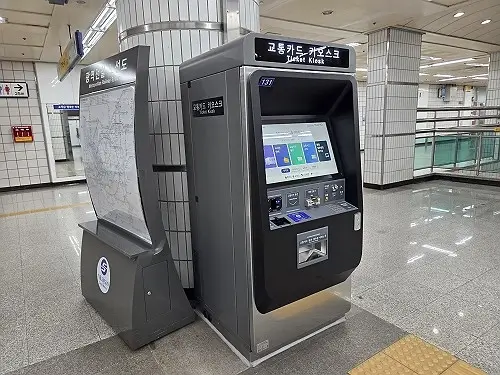
⚠️ Crucial Cash Alert: When you load or top up your Climate Card at the station’s ticket machines, they strictly accept cash (Korean Won) only! They do not accept foreign credit cards for transit pass top-ups yet, so make sure to keep some physical bills in your pocket before heading to the machine.
Before You Tap and Go: One Final Reminder
Navigating Seoul’s transit system is incredibly clean and efficient, but getting caught at the gate right at the start of your journey can completely ruin your mood for the day.
If you want a truly seamless experience right from the moment you exit the baggage claim, do yourself a massive favor: pre-order a special custom Tmoney card online and pick it up right at Incheon Airport. It often comes bundled with cool discount vouchers for major hotspots like the N Seoul Tower, making it an incredibly smart and rational choice for your wallet!
Once you have your perfect transit card in hand, you are fully equipped to explore the greatest city in the world. See you in Seoul!
Leave a Reply